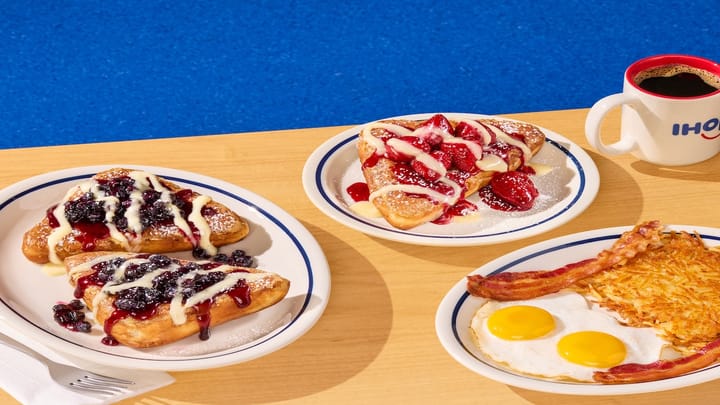
IHOP is betting on nostalgia to drive traffic to its 1,700 U.S. locations. The pancake chain's parent company, Dine Brands Global, has brought back Stuffed French Toast after a six-year absence, refreshing the recipe in the process.
The dish represents a calculated menu strategy. Limited-time offers and returning favorites tap into customer sentiment, particularly when recipes get tweaked to feel contemporary. IHOP discontinued the item in 2018, but consumer demand and social media chatter apparently convinced executives the timing was right for a comeback.
Details on the new formula remain sparse, but reformulations typically address either cost pressures or changing tastes. Whether Dine Brands simplified ingredients, adjusted portion sizes, or elevated the dish with premium additions remains unclear. The brand hasn't disclosed specifics about what separates this version from its predecessor.
The move reflects broader industry patterns. Fast-casual and casual dining chains increasingly cycle popular items on and off menus, creating urgency and repeat visits. Taco Bell pioneered this strategy with limited-time offerings. Chick-fil-A rotates seasonal items. McDonald's reintroduced the McRib multiple times to dramatic effect. IHOP follows the same playbook.
Stuffed French toast itself occupies a specific niche in American breakfast culture. Unlike standard French toast, the stuffed variety layers filling between bread slices before cooking. Cream cheese, fruit compotes, chocolate, and pastry cream represent common filling options. The category sits between casual diner fare and dessert, appealing to indulgent breakfast seekers.
For Dine Brands, the timing matters. The casual dining sector faced sustained pressure even before the pandemic, with consumers gravitating toward faster, cheaper options or premium experiences. IHOP has competed by emphasizing variety and value. Bringing back a recognizable favorite costs less than developing entirely new dishes and sidesteps the risk of customer rejection.
The nostalgic angle also carries business value. Customers who enjoyed Stuffed French Toast six years ago represent a known audience. Social media posts from longtime fans likely preceded this announcement. Marketing departments capitalize on that existing sentiment rather than building awareness from zero.
Whether this translates to sustained traffic depends on execution and pricing. A six-year hiatus creates both opportunity and risk. Long-time customers may disappoint if the recipe diverges too much from memory. Newer customers discovering it for the first time face no such baggage but need convincing the dish justifies ordering.
The breakfast market itself remains competitive. Starbucks expanded food offerings. Crumbl Cookies elevated dessert-breakfast hybrids. Dunkin' refined its food strategy. IHOP's return to Stuffed French Toast positions the chain in this conversation about breakfast indulgence versus convenience.
Dine Brands operates multiple brands including Applebee's, giving it portfolio leverage. Menu decisions at one banner can inform others. If Stuffed French Toast performs well at IHOP, expect similar retro-revival thinking across the company's brands.
The relaunch begins a limited-time run, meaning IHOP will remove it again after sales peak or a predetermined window closes. This scarcity creates the urgency that drives quick decisions at the register. Customers either order now or wait years for the next revival.