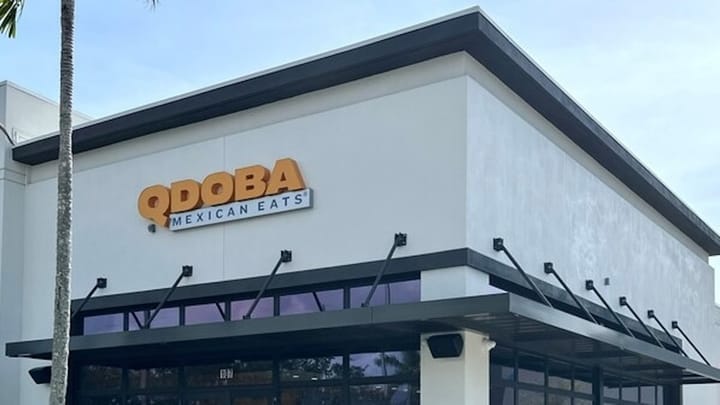
Qdoba accelerates its California footprint with a major franchising deal. Hyperion Brands, LLC has signed a development agreement to open 17 new Qdoba locations across San Diego County, marking the latest push by the fast-casual Mexican chain to deepen its presence in one of America's most competitive restaurant markets.
The deal underscores Qdoba's aggressive franchise expansion strategy. The Denver-based chain, owned by Apollo Global Management since 2018, operates over 750 locations nationwide but has faced persistent competition from Chipotle, which dominates the customizable Mexican food segment. San Diego County offers Qdoba fertile ground. The region's population exceeds 3.3 million, with strong demographics aligned to fast-casual dining. Hyperion Brands becomes the latest operator to bet on Qdoba's unit economics and brand momentum in California, where the chain has been methodically adding locations.
Qdoba's model centers on customizable bowls, burritos, tacos, and quesadillas. The chain differentiates itself through its "all-inclusive protein pricing" strategy, meaning customers pay the same price regardless of whether they choose chicken, steak, carnitas, or sofritas. This approach contrasts with Chipotle's à la carte surcharges and appeals to value-conscious diners. The chain also emphasizes locally sourced ingredients and sustainable sourcing practices, positioning itself as an alternative for consumers seeking quality and transparency.
Hyperion Brands represents a significant operator capable of executing multi-unit growth. Developers of this caliber typically bring capital, operational expertise, and local market knowledge essential for scaling quick-service restaurants. The San Diego County market has proven resilient for fast-casual chains. Locations near major employment centers, military installations, and universities generate consistent traffic. Hyperion's 17-unit commitment suggests confidence in Qdoba's ability to compete effectively in this landscape.
Franchise expansion remains Qdoba's core growth lever. Unlike company-operated models, franchising transfers capital requirements and operational risk to partners while generating royalty streams for corporate. The 17-unit deal adds measurable growth without straining Qdoba's balance sheet. California franchise agreements typically involve substantial development timelines, often spanning three to five years, allowing Hyperion to phase openings based on local permitting, real estate availability, and market conditions.
The timing reflects broader fast-casual momentum. Post-pandemic consumer behavior has normalized takeout and delivery, boosting chains with streamlined menus and rapid service. Qdoba's speed-of-service remains competitive against table-service alternatives and positioned favorably within the growing "fast-casual-to-delivery" ecosystem that dominates urban markets.
This San Diego expansion matters for Qdoba's stock performance and investor confidence. Each development agreement represents tangible pipeline visibility. Hyperion's commitment signals that franchisees continue viewing Qdoba as a viable platform despite competitive pressure. For consumers in San Diego County, expansion means increased convenience and stronger local market presence, with more locations accessible by car or delivery platform.