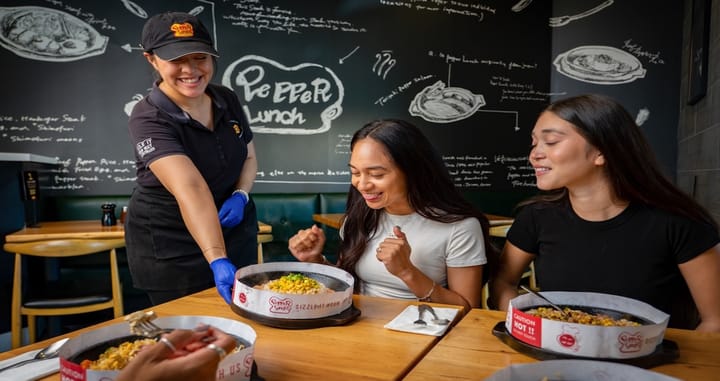
Troy Hooper has stepped down as CEO of Pepper Lunch's U.S. operations, transitioning to an advisory capacity. The Japanese casual-dining chain, known for its teppanyaki-style cooking and sizzling plates delivered tableside, has installed the parent company's regional group CEO to lead North America.
Pepper Lunch operates a growing footprint across the United States, where the brand competes in the interactive dining space alongside established players like Benihana and smaller regional teppanyaki concepts. The shift in leadership signals a strategic repositioning as the company navigates the competitive casual-dining market and post-pandemic recovery patterns.
Hooper's move to advisory status reflects a common restructuring approach in restaurant groups seeking to consolidate leadership or accelerate growth through regional expertise. By bringing in the parent company's regional group CEO, Pepper Lunch demonstrates confidence in centralized oversight for its North American expansion. This structure allows corporate to apply lessons learned across international markets directly to domestic operations.
The timing matters. U.S. casual dining faces persistent headwinds from labor costs, real estate pressures, and evolving consumer preferences around interactive dining experiences. Teppanyaki concepts occupy a specific niche, commanding premium pricing and requiring skilled labor to execute the theatrical cooking element that defines the brand. Pepper Lunch's model relies on this spectacle, making operational consistency critical across locations.
Japan-based restaurant groups expanding into North America frequently restructure leadership within the first five to ten years of significant growth. This reflects the complexity of managing cultural differences in service style, menu adaptation, and franchise expectations. A regional group CEO brings institutional knowledge from how Pepper Lunch operates in other markets, potentially accelerating decision-making around menu localization, real estate strategy, and staffing models.
The advisory role for Hooper preserves institutional knowledge during transition. Someone who built the U.S. business from ground level possesses valuable relationships with franchisees, real estate partners, and suppliers. Retaining Hooper in a consulting capacity allows continuity while empowering new leadership to implement strategic changes.
For Pepper Lunch, this reshuffle likely precedes either accelerated expansion or significant operational restructuring. Restaurant groups rarely announce leadership changes without accompanying strategic announcements. Watch for franchise recruitment announcements, new unit pipeline disclosures, or menu announcements in coming weeks.
The casual-dining teppanyaki segment remains relatively fragmented in the U.S., with most players operating fewer than fifty locations. Pepper Lunch's willingness to invest in leadership infrastructure suggests ambitions beyond current store count. Regional CEOs typically arrive with expansion mandates.
For franchisees and operators, the leadership change introduces both opportunity and risk. New CEOs often implement revised support systems, marketing strategies, and operational standards. Franchisees benefit from potentially stronger corporate backing but may face pressure to reinvest in remodels or technology upgrades.
This move reflects how Asian casual-dining brands navigate American markets. Success requires balancing authentic brand identity with American operational realities. Pepper Lunch's decision to elevate regional leadership signals that the company views North America as a mature enough market to warrant direct corporate attention rather than independent U.S. leadership.