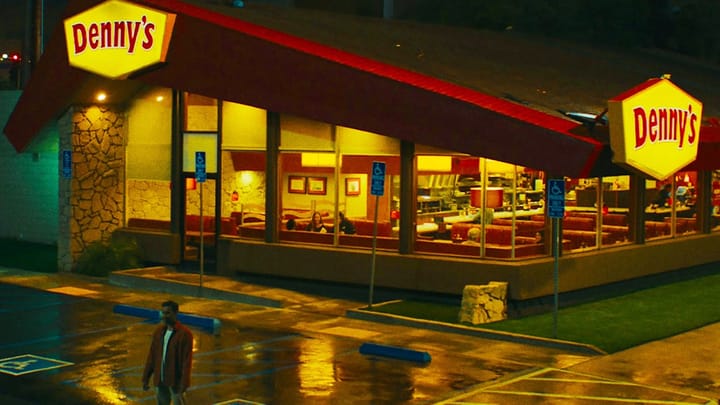
Denny's accelerates its pullback from the Midwest, closing five more locations across Minnesota and Wisconsin as the 28-year-old casual dining chain contracts nationally. These closures pile onto 150 restaurants already shuttered during 2024 and 2025, marking a dramatic contraction for a brand that once anchored America's all-night breakfast culture.
The franchisee operating these five locations has filed for Chapter 7 bankruptcy, the outlet reported. This move eliminates the operator's assets entirely rather than reorganizing debt, signaling deeper financial strain within Denny's franchise system than simple market underperformance.
Denny's peaked at roughly 1,700 locations in the mid-2000s. Today, the chain operates roughly 1,500 restaurants system-wide after the recent wave of shutdowns. The Midwest has borne particular pressure, with rural and secondary markets proving especially vulnerable to closure. Rising labor costs, increased competition from fast-casual chains, and shifting consumer dining habits have eroded the economics that once made 24-hour diner operations viable.
The casual dining category faces a structural reckoning. Chains like Applebee's, IHOP, and Olive Garden have also trimmed unprofitable units in recent years, though few match Denny's pace of decline. Denny's franchisees often operate on thin margins typical of full-service restaurants, where labor expenses consume 30 to 35 percent of revenue. Minimum wage increases across Minnesota and Wisconsin have accelerated closures in these markets specifically.
For the Denny's brand, the closures reflect a strategic shift toward company-controlled restaurants and stronger-performing franchisees. The chain has signaled plans to modernize remaining locations with updated menus and restaurant interiors, essentially tightening the portfolio rather than pursuing aggressive expansion. Management has emphasized profitability over unit count for nearly a decade.
The Minnesota and Wisconsin closures eliminate direct employment for dozens of workers and remove Denny's from several small towns where the 24-hour diner model once defined late-night social gathering. These locations generated predictable traffic from truckers, night-shift workers, and families seeking affordable breakfast at odd hours. As delivery, ghost kitchens, and quick-service formats have reshaped restaurant culture, the full-service diner economics have deteriorated.
Denny's parent company, Dine Global Holdings, acquired the chain from Flagstone Group in 2022 and has pursued restructuring since then. The Chapter 7 bankruptcy of this particular franchisee suggests management has learned to exit underperforming units more decisively rather than propping them up through corporate support.
The closures continue a pattern that will likely accelerate. Remaining Denny's franchisees with weaker unit economics face mounting pressure to modernize or exit. The casual dining reset will reshape which chains survive the next phase of industry consolidation.