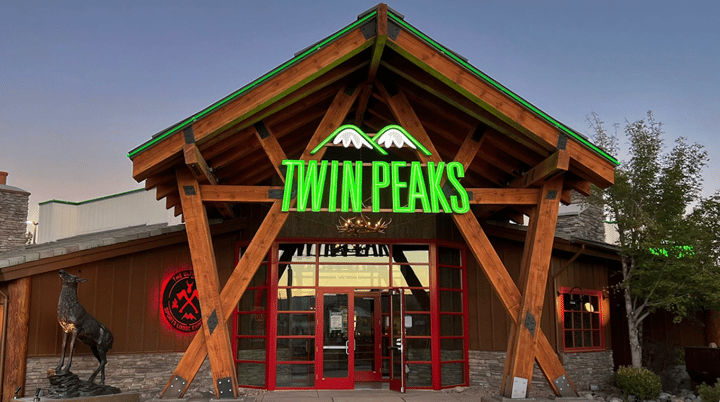
Twin Peaks, the sports bar and breastaurant chain with roughly 80 locations across North America, is making moves to drive traffic and simplify the dining experience. The chain has launched an expanded menu featuring new shareables, affordable lunch offerings, and additional entrees. Simultaneously, Twin Peaks is retiring QR code ordering in favor of printed menus, a notable shift as the industry continues to debate the role of digital ordering in casual dining.
The new shareables strategy targets the after-work crowd and pre-game crowds that form Twin Peaks' core customer base. Expanded appetizers and small plates give diners more reasons to linger at the bar, order multiple items, and drive per-person spending without committing to full entrees. The lunch menu additions reflect broader casual dining economics: affordable midday pricing drives weekday traffic when many restaurants struggle to fill seats.
QR codes became ubiquitous during the pandemic as restaurants sought contactless solutions. Twin Peaks' decision to eliminate them signals a broader restaurant trend. Customers fatigued by phone-based ordering, combined with operational benefits of table service, have prompted chains to reconsider their digital-first strategies. Printed menus offer tactile familiarity and reduce friction for customers unfamiliar with QR ordering, particularly older demographics that represent significant spending power in casual dining.
The breastaurant category, popularized by chains like Hooters and Tilted Kilt, has faced pressure in recent years as consumer preferences shift and labor dynamics change. Twin Peaks differentiates itself through sports entertainment and large-screen viewing, positioning itself as a sports bar with distinctive branding rather than a concept built solely on server attire. The new menu and operational changes address two pressing concerns: menu fatigue and customer experience simplification.
The shareables expansion particularly matters for Twin Peaks' business model. Sports bars thrive on dwell time. A customer ordering wings, nachos, and sliders with friends stays longer, consumes more alcohol, and generates higher check averages than someone ordering a single sandwich. New shareables also create Instagram opportunities, driving organic social media promotion among younger diners.
The lunch strategy targets office workers and small business owners looking for affordable midday options. Most casual dining chains report their biggest traffic dip occurs between 11 a.m. and 2 p.m. on weekdays. Budget-friendly lunch pricing converts those underutilized dayparts into revenue generators.
Twin Peaks operates in a crowded casual dining landscape competing directly with Buffalo Wild Wings, Applebee's, and Chili's. All these chains have experimented with digital ordering and menu innovation. Twin Peaks' return to printed menus, combined with expanded food offerings, represents a calculated bet that simplicity and personalization outweigh digital convenience in their target market.
The chain's moves reflect post-pandemic restaurant thinking: operators now recognize that not every customer wants technology-mediated ordering, and that menu expansion drives traffic more reliably than operational optimization alone. Whether the strategy boosts traffic will become clear in coming quarters as Twin Peaks reports financial results.