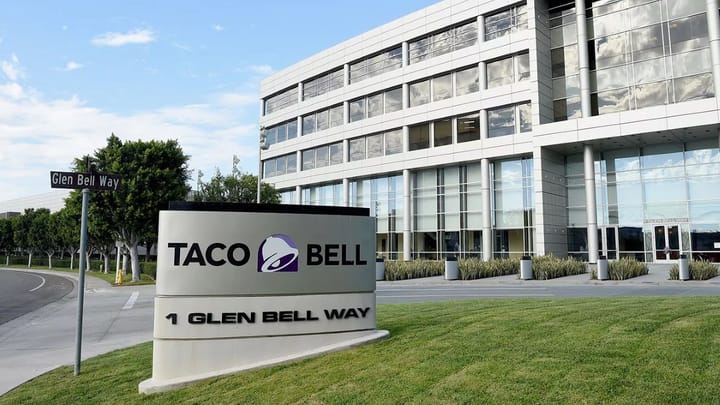
Taco Bell and Habit Burger are consolidating operations under one roof in Irvine, California. Yum Brands, the parent company of both chains, plans to relocate both headquarters to a new, larger campus within the same city rather than scatter corporate functions across multiple locations.
The move signals a strategic shift toward operational efficiency. By housing both brands in a single facility, Yum Brands can streamline decision-making, reduce overhead costs, and foster cross-brand collaboration. This is particularly valuable for quick-service restaurant companies where agility and speed matter. The consolidated campus structure allows shared resources in areas like technology, marketing, supply chain management, and product development while maintaining each brand's distinct identity and menu strategy.
Irvine remains an attractive hub for restaurant corporate operations. The Southern California location offers proximity to distribution networks, a large consumer base, and established business infrastructure. Rather than relocating entirely to another state or region, Yum Brands doubled down on the area, investing in real estate and signaling confidence in California as a business center despite the state's higher operating costs and regulatory environment.
Taco Bell dominates the quick-service Mexican segment, operating thousands of locations globally with a menu centered on affordable tacos, burritos, and limited-time offerings that drive traffic and social media engagement. The brand has become central to Yum Brands' portfolio growth, particularly among younger consumers. Habit Burger, acquired by Yum in 2018, positions the parent company in the fast-casual charburger category, competing directly with chains like Five Guys and Shake Shack. Habit operates primarily in California and the Western United States, offering a different price point and dining experience from Taco Bell.
The headquarters consolidation reflects how large restaurant conglomerates operate today. Unlike the traditional model where each brand maintained separate corporate infrastructure, modern chains increasingly share back-office functions, data analytics, and strategic planning resources. This operational efficiency directly impacts menu innovation, restaurant profitability, and speed to market for new products and promotions.
For employees, the move creates a situation where staff from both brands will work in proximity, potentially creating cross-pollination of ideas. For franchisees of both chains, the consolidated leadership structure means faster decision cycles and more unified corporate direction on issues like technology adoption, labor compliance, and expansion strategy.
The timing of this headquarters move also reflects post-pandemic corporate real estate trends. Many restaurant companies are reconsidering traditional office space and designing campuses that accommodate hybrid work models, collaborative spaces, and agile team structures. A larger, modern campus likely features these elements while supporting both brands' growth trajectories.
Yum Brands operates multiple global brands including KFC and Pizza Hut. The decision to consolidate Taco Bell and Habit under one physical headquarters suggests the company views these two brands as strategically aligned for the next phase of growth, even as they serve different dayparts and consumer occasions.