# Red Lobster's Struggles Signal Broader Challenges in Casual Dining
Red Lobster's recent financial troubles anchor a story about shifting consumer behavior in casual dining, where chains that once dominated suburban landscapes now face existential questions. The seafood chain, iconic for its Cheddar Bay Biscuits and endless shrimp promotions, represents a larger pattern: established restaurant groups struggle when they fail to evolve alongside their customers.
The casual dining segment, which includes competitors like Applebee's and Olive Garden, built empires on consistency, value, and nostalgia. Red Lobster leaned heavily on promotional pricing, particularly all-you-can-eat seafood deals that eroded profit margins while training customers to expect steep discounts. This model worked through the 2000s and early 2010s, but inflation, labor costs, and changing dining preferences have exposed the weakness in the strategy.
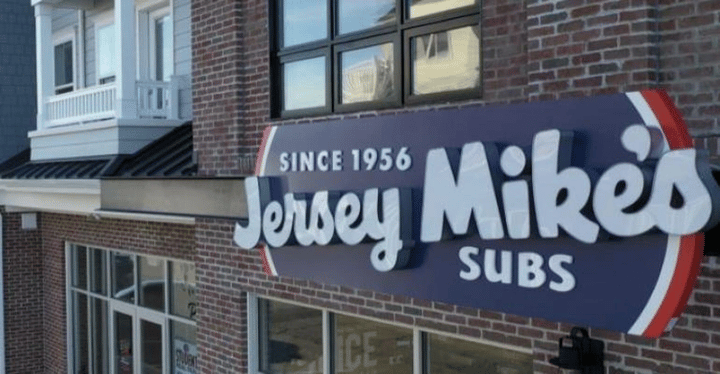
Jersey Mike's, by contrast, illustrates the momentum in fast-casual sandwich culture. The New Jersey-born sub chain has expanded aggressively across the United States, capitalizing on the American appetite for customizable, fresh-seeming sandwiches at faster service speeds than traditional casual dining. Jersey Mike's positions itself between the quick service of Subway and the sit-down experience of traditional delis, occupying a profitable middle ground that resonates with time-pressed consumers.
Detroit-style pizza represents another trend reshaping the restaurant landscape: regional food formats scaling nationally. Detroit-style pizza, characterized by its thick, rectangular form and crispy, cheese-laden edges, emerged from local pizzerias and has attracted chains and venture-backed concepts seeking differentiation. Unlike pizza's conventional round shape, Detroit-style offerings create distinctive visual and textural appeal that photographs well and generates social media traction. Chains and independent pizzerias alike recognize that local food cultures, once confined to their regions, now represent scalable templates for national expansion.
These three stories intersect around a central truth about modern dining: consumers reward restaurants that feel authentic, offer value without constant promotional gimmicks, and adapt to contemporary expectations around speed and customization. Red Lobster's promotional dependency reveals how discount-heavy models create customer expectations that become impossible to sustain as costs rise. Jersey Mike's growth demonstrates that fast-casual positioning attracts customers willing to pay reasonable prices for quality ingredients and perceived freshness. Detroit-style pizza's expansion shows that distinctive, regionally-rooted formats outperform generic offerings in a crowded marketplace.
The restaurant industry continues consolidating around concepts that either deliver exceptional value without sacrificing margins, or command premium pricing through authentic positioning. The middle ground, where Red Lobster attempted to operate, grows increasingly precarious.