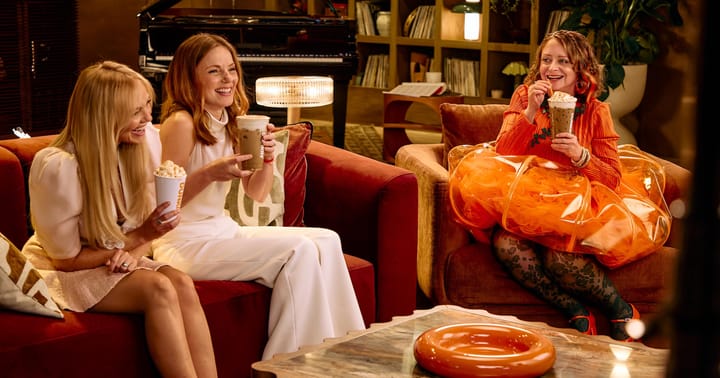
Dunkin' has tapped two members of the 1990s pop phenomenon the Spice Girls alongside comedian Rachel Dratch to promote its fall pumpkin spice beverage lineup. Emma "Baby Spice" Bunton and Geri "Ginger Spice" Halliwell-Horner appear alongside Dratch in the coffee chain's latest advertising push for its seasonal drinks.
The partnership represents a calculated nostalgia play aimed at millennial consumers who grew up with both the Spice Girls' cultural dominance and Dunkin's entrenched position in American coffee culture. Bunton and Halliwell-Horner bring immediate name recognition and generational cache to an otherwise commoditized beverage category. Dratch, known for her work on NBC's Saturday Night Live and Unbreakable Kimmy Schmidt, provides comedic value and broad audience appeal.
Dunkin's reliance on celebrity endorsements reflects the intensifying competition in the coffee and quick-service beverage space. Starbucks commands significant market share with its own pumpkin spice latte, a drink that has become synonymous with autumn and drives substantial traffic during fall months. By securing high-profile personalities, Dunkin' attempts to differentiate its pumpkin offerings and capture attention in an oversaturated market.
The pumpkin spice category remains a proven revenue driver for coffee chains and quick-service restaurants. Fall seasonal drinks generate predictable sales spikes and create urgency among consumers who view them as limited-time offerings. Dunkin's pumpkin lineup likely includes lattes, hot coffee variations, and possibly cold brew or iced options to serve different consumption preferences across warming and cooling months.
Advertising around pumpkin spice has evolved into an annual ritual. Chains announce fall menus earlier each year, with some beginning promotions in late August. This acceleration reflects both consumer enthusiasm for seasonal eating and the financial imperative for chains to extend their pumpkin-focused selling windows as long as possible.
The Spice Girls association carries particular weight for Dunkin's target demographic. The group's 1990s heyday coincided with Dunkin's expansion beyond New England into a national brand. Consumers in their 30s and 40s likely have memories of both the musical group and Dunkin' coffee consumption habits. Halliwell-Horner and Bunton embody a specific cultural moment that resonates with this age group in ways current pop stars might not.
Rachel Dratch's involvement adds accessibility and contemporary comedy credibility. Her career trajectory from SNL to streaming platforms suggests broad cultural relevance across age groups, making her an effective bridge between the Spice Girls' generational nostalgia appeal and younger consumers discovering Dunkin' for the first time.
The campaign reflects broader trends in celebrity-driven marketing for food and beverage chains. Quick-service restaurants increasingly pursue A-list talent for limited advertising runs around seasonal offerings. These partnerships generate social media buzz, earned media coverage, and drive foot traffic during critical sales windows.
Dunkin's pumpkin initiative faces competition not just from Starbucks but from chains including McDonald's, which launches its own pumpkin drink offerings. The proliferation of pumpkin products across chains suggests the flavor has achieved mainstream acceptance as a seasonal staple. Dunkin' must use its advertising muscle and brand partnerships to convince consumers that its version warrants trial and repeat purchase.