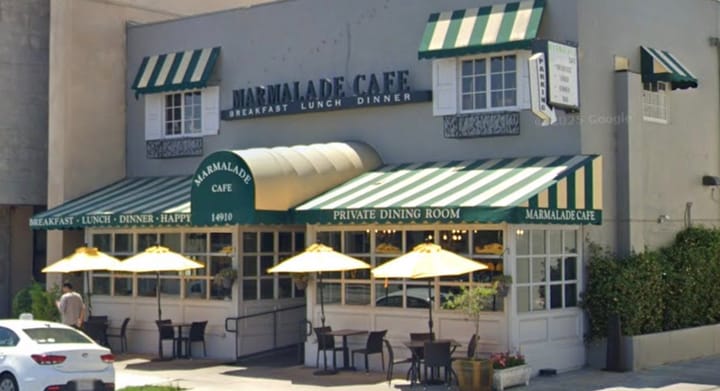
Marmalade Café, a Los Angeles-based casual dining chain known for comfort food and brunch, filed for Chapter 11 bankruptcy protection. The restaurant group now operates four locations after closing three units, marking a sharp decline from its peak of seven restaurants.
The chain, which built a loyal following in the Southern California market with its approachable menu and neighborhood positioning, joins a growing list of regional casual-dining concepts struggling to survive in an increasingly competitive landscape. Marmalade Café's contraction reflects broader challenges facing mid-scale restaurants: rising labor costs, expensive real estate in Los Angeles County, supply chain pressures, and shifting consumer dining habits in the post-pandemic environment.
Chapter 11 bankruptcy allows restaurants to reorganize their debts while continuing operations, rather than liquidating assets entirely. For Marmalade Café, the filing signals an attempt to stabilize the business by shedding unprofitable locations and restructuring obligations. The four remaining units, likely the strongest performers by geography and sales, now represent the foundation for a potential turnaround.
Regional casual-dining chains occupy a precarious middle ground in the American restaurant economy. They lack the brand recognition and operational scale of national chains like The Cheesecake Factory or Denny's, which can absorb losses and negotiate better terms with suppliers. Yet they lack the price point and efficiency of quick-service competitors and ghost kitchens that have captured younger diners. Marmalade Café's brunch positioning, while culturally relevant, proved insufficient to overcome these headwinds.
Los Angeles restaurant economics have become particularly brutal. Labor costs in California rank among the nation's highest. The state's minimum wage reached $16 per hour in 2024, with Los Angeles County and California city ordinances pushing rates even higher in some jurisdictions. Rent for prime dining locations in areas like Los Angeles, Santa Monica, and West Hollywood commands premium prices. Insurance, utilities, and food costs follow suit.
The closure pattern also reflects consumer behavior shifts. Americans increasingly choose between upscale fine dining experiences and fast-casual concepts where they control portions and customization. The casual-dining middle ground, once anchored by Applebee's and Chevy's, has contracted steadily. Brunch culture, though still robust in urban markets, concentrated demand on weekends and limited revenue generation during off-peak days.
Marmalade Café's survival through its remaining four locations depends on effective restructuring during bankruptcy proceedings. The chain will need to renegotiate lease terms, reduce corporate overhead, and possibly adjust menu pricing or portions to improve margins. Management may also explore licensing arrangements or franchise partnerships to expand without capital intensity.
The bankruptcy underscores how independent and regional restaurant operators increasingly cannot compete with well-capitalized chains and delivery-focused ghost kitchens. For Los Angeles diners, Marmalade Café's contraction means fewer neighborhood casual-dining options in markets where rents now favor either destination fine dining or efficient fast-casual formats. The outcome will reveal whether nostalgia and community loyalty can sustain a regional brand through financial restructuring, or whether Marmalade Café's time in the market has simply passed.