# Fast Casual and QSR Giants Shape Market Direction in Latest Restaurant News Cycle
The restaurant industry continues its rapid evolution, with quick-service and fast-casual chains making significant moves that signal broader shifts in how Americans eat. KFC, Sweetgreen, and Twosome Place have all captured headlines recently, each representing different facets of restaurant innovation and expansion strategy.
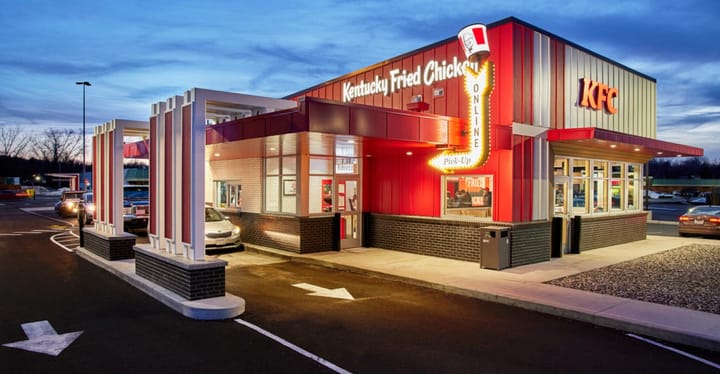
KFC remains a dominant force in the global fried chicken market, with the brand constantly adapting its menu and store formats to compete in an increasingly crowded casual dining space. The chain has been experimenting with delivery-first concepts and expanded menu offerings beyond its core bucket sales, testing consumer appetite for innovation while protecting its heritage product. KFC's parent company, Yum Brands, has invested heavily in digital ordering and ghost kitchen operations, recognizing that modern consumers expect seamless omnichannel experiences.
Sweetgreen, the farm-to-table salad chain founded by Jonathan Neman, Evan Kleiman, and Nicolas Jammet, has carved out a premium position in the fast-casual segment. The Los Angeles-based company has prioritized local sourcing and seasonal menus across its locations, commanding higher price points while building loyal customer bases in major metropolitan areas. Sweetgreen's growth trajectory reflects investor confidence in health-conscious dining as a sustainable category, even as labor costs and ingredient sourcing remain persistent challenges for the sector.
Twosome Place, the South Korean coffee and bakery chain, represents the influx of international quick-service concepts gaining traction in North American markets. As Asian food brands expand aggressively into the United States, Twosome Place brings competitive pressure to established coffee chains with its affordable pricing and quality pastries. The brand's success demonstrates consumer openness to global flavors and business models in the casual segment.
These three concepts exemplify how the restaurant industry is fragmenting into distinct consumer experiences. Legacy players like KFC face pressure to modernize while maintaining brand identity. Fast-casual operators like Sweetgreen command premium pricing through supply chain transparency and nutritional positioning. Emerging international brands like Twosome Place disrupt established categories with fresh approaches and different unit economics.
The broader context matters here. Labor shortages persist across foodservice, pushing chains toward automation and delivery models. Consumer demand for transparency around sourcing and nutrition has intensified post-pandemic. Digital ordering and app-based loyalty programs are no longer differentiators but baseline expectations. Real estate strategies have shifted toward smaller footprints and delivery-only formats.
For investors and franchisees watching these players, the message is clear: execution on technology, supply chain reliability, and authentic brand positioning determine winners in today's environment. Scale alone no longer guarantees success. The winners will be operators who understand their specific consumer base and deliver consistent quality across every touchpoint, whether that's in-restaurant, through delivery, or via mobile app.