# Major Chains Shape Restaurant Landscape With Strategic Moves
The restaurant industry continues to consolidate power among established chains, with Papa John's, Dunkin', and Chick-fil-A leading conversations around growth, expansion, and operational strategy. These three brands represent different segments of the quick-service restaurant space, yet each faces similar pressures to innovate while maintaining their core brand identity.
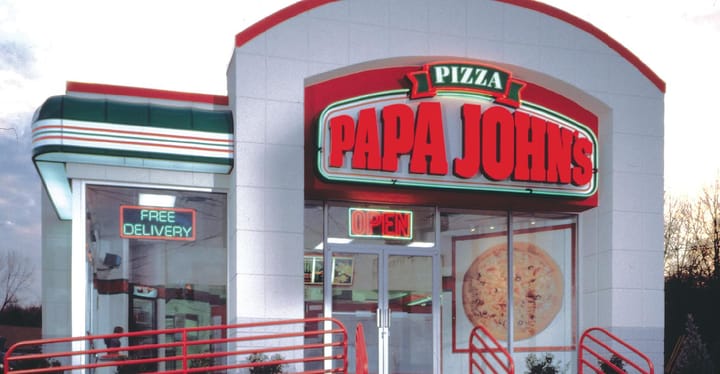
Papa John's, the pizza delivery pioneer, navigates an increasingly crowded delivery market dominated by third-party platforms and regional competitors. The chain's international footprint and digital ordering capabilities position it to compete, but same-store sales growth remains a closely watched metric as consumers demand value and convenience simultaneously.
Dunkin', which rebranded from Dunkin' Donuts in 2018, continues its transformation from a regional donut shop to a beverage-focused quick-service giant. The chain's aggressive expansion into coffee and energy drinks reflects broader consumer trends toward high-frequency visits for beverages rather than food. Dunkin's thousands of locations across the Northeast and expanding Western presence make it a bellwether for how established chains adapt to changing daypart preferences.
Chick-fil-A commands the conversation through its consistent ranking as a top-performing quick-service restaurant by sales volume, despite operating closed Sundays. The chicken sandwich specialist's operational excellence and customer loyalty create a model that competitors study intensely. Recent menu experiments and technology investments suggest the Atlanta-based chain is preparing for its next growth phase while protecting the brand equity built on simplicity and quality.
These three brands share common challenges. Labor costs continue rising, pressuring margins across the sector. Supply chain resilience remains fragile, with ingredient costs volatile and staffing turnover persistently high. Technology integration, from online ordering to ghost kitchens and mobile payments, demands ongoing capital investment.
Consumer behavior shifts also demand attention. Younger demographics show less brand loyalty, preferring to sample new concepts or local independent restaurants. Health-conscious eating trends, environmental concerns, and demand for transparency around sourcing and preparation methods influence purchasing decisions across all three brands' customer bases.
For Papa John's specifically, menu innovation around plant-based options and premium ingredients signals an effort to capture middle-market consumers willing to spend more for perceived quality. Dunkin's expansion into premium cold beverages and plant-based food items reflects similar positioning. Chick-fil-A's measured approach to menu change maintains focus on execution of existing offerings rather than constant novelty.
The competitive dynamics among these chains illustrate the quick-service sector's maturity. Growth increasingly comes from same-store sales improvements, operational efficiency, and technology leverage rather than simple unit expansion. Each brand's ability to understand and respond to local market preferences while maintaining system-wide consistency will determine market share shifts over coming years.
Restaurant executives and investors track these chains' quarterly results closely because their performance often predicts broader consumer health and economic conditions. Strong same-store sales suggest consumers continue dining out despite inflation concerns. Menu pricing power, franchise profitability, and technology adoption rates serve as leading indicators for the entire sector.