# Fast-Casual Giants Cut Staff as Delivery Economics Tighten
Chipotle and Domino's have announced significant workforce reductions, joining a wave of layoffs sweeping through restaurant chains and delivery platforms. The cuts reflect mounting pressure on labor costs and declining delivery demand as consumer spending softens and the post-pandemic boom in food delivery contracts.
Chipotle, the burrito-focused chain with over 3,300 locations across North America, and Domino's, which operates nearly 6,500 franchised pizzerias globally, both trimmed their corporate headcount recently. Neither company disclosed exact figures, but industry sources indicate the reductions targeted support staff at headquarters and regional offices rather than front-line workers in restaurants.
The layoffs signal a broader recalibration in the restaurant industry. After explosive growth during lockdowns when delivery became essential, third-party platforms like DoorDash, Uber Eats, and Grubhub have seen slower growth rates and increased regulatory scrutiny over commissions. Commission rates, which often consume 15 to 30 percent of an order's value, have eroded profit margins for restaurants already contending with inflation in labor, ingredients, and rent.
Chipotle has leaned heavily into its own digital infrastructure and loyalty app to reduce dependence on third-party platforms. The chain's digital sales now exceed 40 percent of total revenue, allowing it to capture full transaction value without paying commissions. Yet corporate overhead from maintaining technology teams, analytics divisions, and customer service remains substantial.
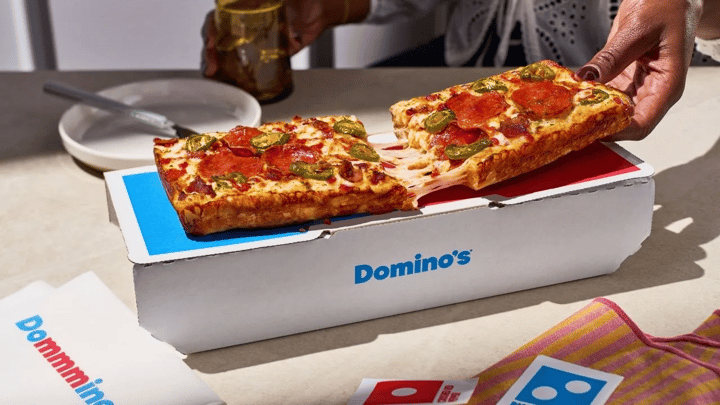
Domino's, meanwhile, built its empire on delivery but faces different pressures. The pizza chain generates roughly 65 percent of sales through delivery and carryout, making it vulnerable to consumer pullback on convenience spending. Rising delivery fees and food costs have prompted some customers to order directly or reduce frequency.
The broader restaurant sector has absorbed shocks throughout 2023 and 2024. Starbucks, McDonald's, Amazon-owned Whole Foods, and smaller chains have all announced staff reductions. Labor remains restaurants' largest expense category, typically consuming 25 to 35 percent of revenue. When traffic slows or margins compress, corporate staff become easier targets than hourly restaurant workers, who drive operations.
What happens next matters for how Americans eat. Chains will likely accelerate automation projects, including kiosk ordering and kitchen robotics. Investment in proprietary delivery infrastructure rather than third-party platforms will continue. Franchise models may tighten requirements around staffing and operational efficiency.
For diners, this means fewer human touchpoints in the ordering process, potential delays as companies right-size operations, and continued pressure on delivery fees and menu prices. The convenience economy that defined eating out in 2020 and 2021 is normalizing, and corporate structures built for peak demand are shrinking to fit new reality.