# Sbarro Charts Growth Through Convenience Store Expansion and Global Push
Sbarro's resurgence hinges on a deliberate shift away from its legacy position as a shopping mall anchor tenant. CEO David Karam has orchestrated a brand repositioning that targets convenience stores and emerging international markets, propelling the chain to open more than 100 units annually for the past four years.
The strategy marks a dramatic departure from Sbarro's 1990s and 2000s heyday, when the New York-style pizza chain dominated food courts across America. As mall traffic declined and consumer habits shifted, Sbarro faced existential pressure. Rather than cling to its traditional footprint, Karam seized on a counter-intuitive opportunity: convenience stores.
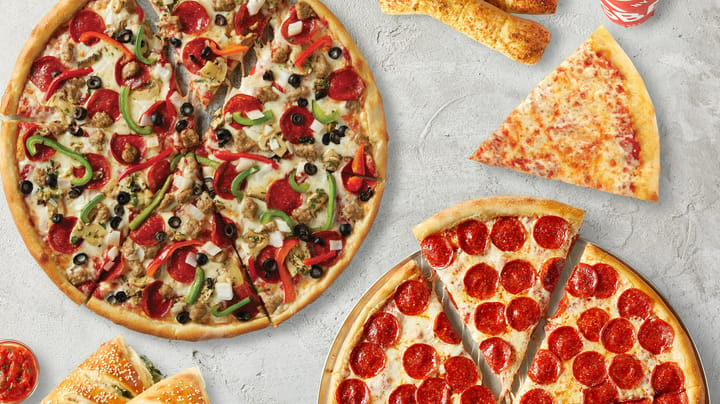
This move positions Sbarro's Sicilian-style rectangular pizzas and stromboli alongside energy drinks and lottery tickets. Convenience store operators gain a hot-food draw that commands higher margins than typical grab-and-go fare. Sbarro gains locations without the overhead of standalone restaurants or the declining mall environment. The formula resonates with time-pressed consumers seeking quick, hot meals during fuel stops and convenience store visits.
The convenience store channel addresses a real market gap. Regional pizza chains struggle to compete in this space, and national players rarely optimize for it. Sbarro's standardized recipes and operational systems translate well to smaller footprints with limited kitchen equipment. Franchisees find the model more forgiving than traditional Sbarro restaurants, driving franchisee enthusiasm and faster unit growth.
Parallel to domestic expansion, Sbarro pursues aggressive international development. Growth markets in the Middle East, Latin America, and Asia represent blank slates where the brand carries no baggage from its American mall heritage. International licensees view Sbarro as an established, recognizable Italian-American brand rather than a declining relic. Pizza consumption rises globally as Western food culture spreads. Sbarro competes directly against regional players and emerging chains in these markets.
The 100-plus units annually benchmark represents genuine acceleration. Sbarro emerged from bankruptcy protection in 2014, and growth remained modest through the late 2010s. The convenience store strategy, launched in earnest around 2019-2020, unlocked expansion velocity. Four consecutive years at this pace means roughly 400 new locations, fundamentally reshaping the chain's footprint and revenue streams.
This transformation reflects broader restaurant industry realities. Traditional casual dining formats struggle. Concepts that adapt to non-traditional channels prosper. Sbarro's pizza-focused menu, portion control requirements, and operational simplicity suit alternative formats better than full-service restaurants. The chain avoids the complexity of expanding dine-in infrastructure while capturing customers in new moments and channels.
Karam's execution hinges on maintaining product consistency across heterogeneous locations. Convenience store pizzas must match the quality of traditional Sbarro restaurants, or the brand suffocates. Training franchisees in a convenience store environment, often without dedicated Sbarro management, poses operational risk. Quality slip-ups spread through networks quickly.
The strategy also creates vulnerability to convenience store chain consolidation and shifting fuel-stop traffic patterns. If major convenience store networks demand better terms or pivot toward other food suppliers, Sbarro loses scale advantages overnight.
Yet the momentum remains real. A chain once written off as a nostalgic casualty of mall decline now captures growth momentum through unconventional channels. Sbarro competes differently than it did 15 years ago. That adaptability may prove more valuable than nostalgia.