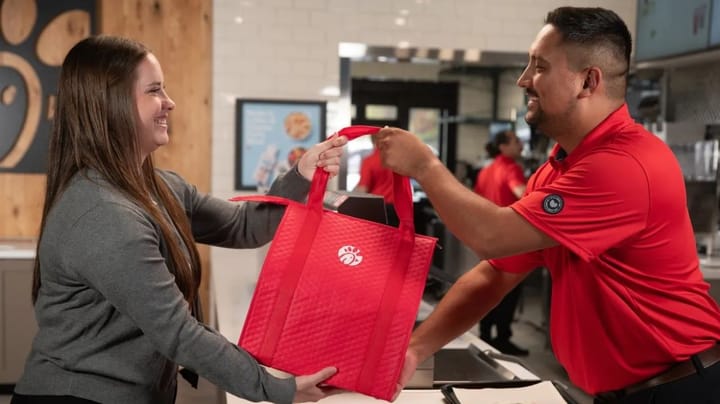
Chick-fil-A expands its hunger relief commitments this summer with a two-pronged approach targeting food insecurity across America. The fast-casual chain will host fundraisers at restaurants in select markets through September, channeling proceeds directly to local hunger relief organizations. Simultaneously, the company pledges $1 million in matched donations to Feeding America, the nation's largest domestic hunger-relief network representing 200-plus food banks and 60,000 food pantries.
The fundraising model taps into Chick-fil-A's existing restaurant infrastructure and customer base. Individual locations become collection points for community donations, with staff and patrons contributing directly to nearby food banks and charitable partners. This localized approach allows the company to address hunger through organizations already embedded in their communities, ensuring donations reach people who need them most.
The $1 million matching pledge operates as a multiplier effect. For every dollar Chick-fil-A contributes, external donors can match it, potentially doubling the impact. Feeding America reports that their network distributed 6.6 billion meals in 2022, but demand continues rising as inflation erodes purchasing power for low-income households. The matched donation model encourages additional corporate and individual contributions beyond Chick-fil-A's direct commitment.
This initiative reflects broader restaurant industry patterns of addressing food insecurity through partnerships with established nonprofits. Rather than operating independent food programs, chains increasingly leverage existing infrastructure at organizations like Feeding America, which possess supply chains, storage facilities, and distribution networks already optimized for hunger relief.
Chick-fil-A's involvement joins other major quick-service restaurants in recognizing hunger as a corporate responsibility. The company has previously supported Feeding America through One Shared Table, an initiative launched during the pandemic to combat rising food insecurity. These ongoing efforts position Chick-fil-A among chains using their scale and customer reach to address systemic hunger.
The timing matters. September marks the close of summer months when food insecurity often intensifies among families without school meal programs. Students typically access free or reduced-price breakfast and lunch during the school year, but summer creates a gap. Back-to-school season overlaps with these fundraising efforts, potentially doubling community focus on food access for children.
The select-market approach suggests Chick-fil-A is testing or prioritizing regions with higher documented food insecurity. Rather than a nationwide rollout, the company concentrates resources where hunger metrics indicate greatest need. This targeted strategy allows measurement of fundraising effectiveness and community engagement before potential expansion.
For Feeding America, corporate partnerships like this provide crucial unrestricted funding that supports operating costs alongside food procurement. Food banks face constant pressure to stretch limited resources across growing populations of food-insecure Americans. Corporate donations covering both food purchases and operational expenses expand capacity significantly.
The September deadline creates urgency for both restaurants and donors. Limited-time fundraising campaigns typically generate faster response than open-ended appeals. Customers know precisely when to contribute, and restaurant staff can coordinate outreach within a defined timeframe.
Chick-fil-A's hunger relief expansion demonstrates how restaurant chains can translate commercial scale into community benefit. By mobilizing their restaurant locations, customer traffic, and corporate resources, the company addresses food insecurity without duplicating services already provided by specialized nonprofits.