# Restaurant Leadership Reshuffled as Summer Surge Brings 51 Executive Moves
The restaurant industry closed out August with significant personnel shifts across major chains, signaling continued turbulence and strategic repositioning in a sector wrestling with labor costs, consumer spending patterns, and operational pressures.
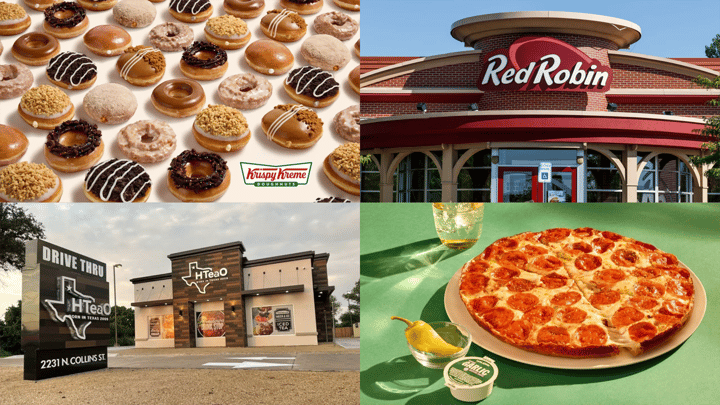
Pizza Hut, one of the world's largest pizza chains with over 18,000 locations globally, underwent CEO transition during the month. Dave & Buster's, the entertainment-dining hybrid operator, also changed leadership. HTeaO, the fast-growing bubble tea chain expanding aggressively across North America, rounded out the three most prominent C-suite moves tracked during August.
The 51 total executive movements represent no seasonal pause despite what summer typically brings to restaurant management calendars. This level of activity reflects deeper instability within the sector. Leadership changes at this scale often indicate companies addressing performance gaps, pursuing new strategic directions, or responding to investor pressure during a period when consumers remain cautious about discretionary spending.
Pizza Hut's leadership transition arrives as the chain navigates its complex franchise model and international operations. The brand operates through thousands of franchisees across different markets, making CEO-level strategy decisions about menu innovation, technology integration, and delivery partnerships intensely consequential. Recent years have seen pizza delivery become increasingly competitive, with Domino's and regional players intensifying pressure on market share.
Dave & Buster's operates at the intersection of food service and entertainment, a hybrid model that suffered disproportionately during pandemic closures and has faced recovery headwinds different from traditional restaurants. The company operates over 140 locations primarily in North America, generating revenue from both food and beverage sales alongside arcade games and entertainment offerings. CEO changes at entertainment-dining concepts often signal shifts in how leadership prioritizes revenue streams or approaches technology investments in a category where customer experience directly drives visit frequency.
HTeaO represents newer restaurant category momentum. The bubble tea chain has expanded rapidly, reflecting broader consumer trends toward Asian beverages and younger demographic preferences. A leadership change at a growth-stage concept typically involves bringing in operators experienced with scaling restaurant groups or refining unit economics before pursuing additional expansion or funding rounds.
August's 51 executive movements span all restaurant segments, from quick-service to fine dining, from publicly traded corporations to private operators. The sustained pace of changes throughout summer months, without the traditional slowdown restaurants see in slow seasons, indicates the industry faces constant pressure to adjust leadership and strategy.
These shifts matter because they filter down to restaurant operations, menu decisions, and workplace conditions. New leadership often brings different priorities around technology adoption, pricing strategies, and staffing approaches. For franchisees, corporate leadership changes can signal new requirements or support levels. For consumers, executive transitions eventually manifest in the restaurants they visit through menu changes, service quality adjustments, or new initiatives rolled out under fresh strategic direction.
The combination of Pizza Hut, Dave & Buster's, and HTeaO leadership moves alongside 48 other executive transitions suggests the restaurant industry remains in constant organizational motion as operators search for competitive positioning in a market balancing high consumer expectations against operational realities.