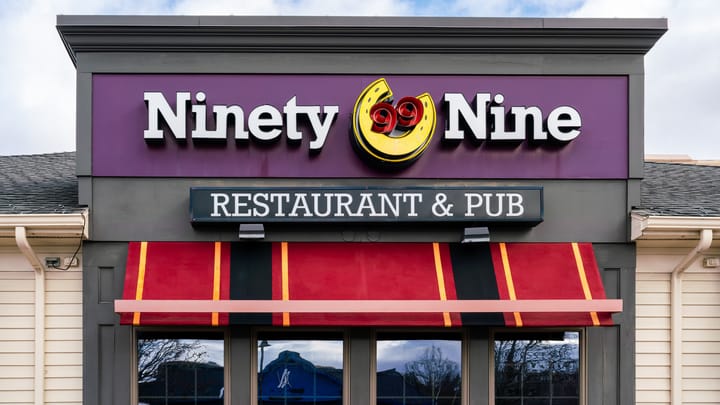
# Red Sox Wins Drive Traffic to Ninety Nine Restaurants
Ninety Nine Restaurants, the New England casual-dining chain, has capitalized on the Boston Red Sox's hot streak this summer by offering free kids meals the day after every team victory. The promotion ties restaurant foot traffic directly to baseball performance, and with the Red Sox winning consistently, the chain's locations have seen steady business boosts.
The mechanics are straightforward. When the Red Sox win, Ninety Nine Restaurants rewards families with complimentary children's meals the following day. During a winning stretch, this creates predictable, recurring traffic patterns that drive repeat visits and increase average check sizes through adult entrees and beverages. The strategy leverages sports fandom as a customer acquisition tool, turning baseball results into concrete dining incentives.
Ninety Nine Restaurants operates over 140 locations across New England and beyond, making it one of the region's largest casual-dining chains. The company built its brand on family-friendly atmosphere, affordable pricing, and local market presence. Sports-tied promotions fit the chain's demographic perfectly: families with children who follow the Red Sox represent a core customer base with disposable income and predictable dining patterns.
This summer's Red Sox performance made the promotion genuinely valuable to consumers. The team's winning record meant the free meal offer activated regularly rather than sitting dormant for weeks. Families could reliably plan restaurant visits around game schedules and outcomes, creating a feedback loop between sports performance and dining behavior.
The promotion exemplifies how casual-dining chains use external events to drive traffic in increasingly competitive markets. Unlike discounts that erode margins, tied promotions create perceived value without direct cost to all customers. Non-winning days require no promotion. Only victories trigger the offer, keeping acquisition costs variable and aligned with actual traffic generation.
Sports partnerships remain powerful in the restaurant industry. Teams generate passionate fan bases that translate to reliable consumer behavior. A Red Sox win carries emotional weight beyond the game itself. Fans celebrate with meals. Families use the free offer to turn victory into shared experience. Restaurants capture this emotional spending.
For Ninety Nine Restaurants specifically, the strategy addresses a fundamental casual-dining challenge: discretionary spending. Families must decide between cooking at home and dining out. A guaranteed free kids meal removes friction from the decision. During a winning streak, the Red Sox promotion becomes appointment dining rather than occasional outing.
The partnership also generates media coverage and social conversation. Sports fans discuss both victories and associated rewards, amplifying the restaurant's message through organic word-of-mouth rather than paid advertising. Local news outlets cover both the team's performance and the promotional impact, creating earned media value.
Casual dining faces structural headwinds from fast-casual competitors and delivery services. Chains that effectively link local culture, sports, and dining experience build stickiness that pure pricing cannot match. Ninety Nine Restaurants understood that New England diners don't just want affordable food. They want to celebrate their teams. The chain positioned itself as the celebration destination, converting baseball wins into restaurant visits.