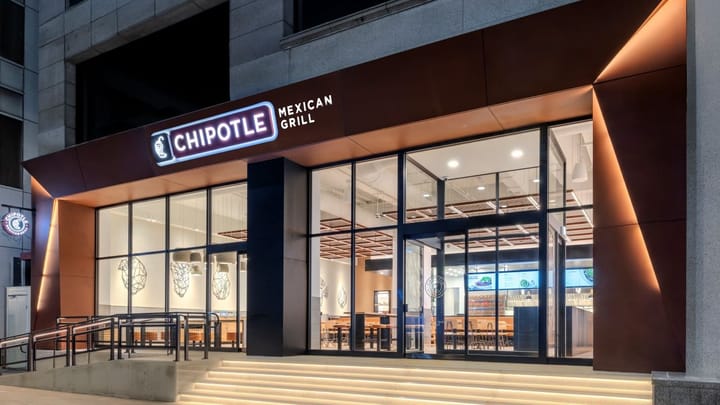
# Chipotle Plants Its Flag in Seoul, Eyes Asia's Growth Frontier
Chipotle Mexican Grill opened its first restaurant in Asia this week in Seoul, South Korea, marking a decisive push into one of the world's fastest-growing quick-service markets. The chain partnered with Sangmidang Holdings, a local hospitality and retail operator with deep roots in South Korean consumer markets, to launch the Seoul location.
The move signals Chipotle's confidence in adapting its build-your-own bowl model to Asian palates and business structures. The chain has spent the past decade rebuilding trust with American consumers after food safety crises damaged its reputation in the mid-2010s. Now, with that recovery largely complete and U.S. unit economics matured, Chipotle's leadership sees international expansion as its next growth engine.
Asia represents fresh opportunity. South Korea's quick-service restaurant sector has exploded over two decades, driven by urbanization and rising disposable incomes. Younger South Korean consumers, particularly in Seoul, embrace American food concepts while demanding quality ingredients and menu transparency. Those preferences align perfectly with Chipotle's value proposition: visible food preparation, customizable portions, and sourcing that emphasizes sustainably raised proteins.
Sangmidang Holdings brings local expertise Chipotle cannot replicate alone. The partner operates across hospitality, food service, and retail, with established relationships with landlords, suppliers, and local regulators. This structure mirrors Chipotle's successful international partnerships elsewhere. The chain has operated in the United Kingdom, Canada, and France, but always through franchise or partnership models that localize operations while maintaining brand standards around ingredient quality and kitchen workflow.
The Seoul restaurant tests Chipotle's ability to resonate beyond English-speaking, Anglo-American cultural contexts. South Korea's food culture emphasizes fermented flavors, banchan side dishes, and rice as a carbohydrate base. Chipotle's tortilla-wrapped format and reliance on sour cream, cheese, and salsa represent genuine departures from local norms. Success requires either converting South Korean diners to the Chipotle format or adapting the menu to include familiar elements without diluting brand identity.
Menu localization will be critical. Chipotle has shown flexibility in international markets. In the UK, the chain shifted marketing to emphasize sourcing and quality over speed. In France, it adjusted protein options and adjusted sodium content to match local preferences. The Seoul location will almost certainly feature local protein options, possibly including bulgogi-inspired marinated beef or chicken options alongside traditional carnitas.
For Chipotle, the Seoul debut serves a dual purpose. It generates revenue from a new geography while generating learnings about how to operate in non-English markets with different regulatory environments and consumer expectations. Each successful market expansion builds confidence for the next.
Chipotle trades near all-time highs and has proven it can grow through both new unit development and same-store sales increases. Asia's restaurant boom offers years of runway. If the Seoul location succeeds, expect announcements of restaurants in Tokyo, Hong Kong, and Bangkok within the next three to five years.