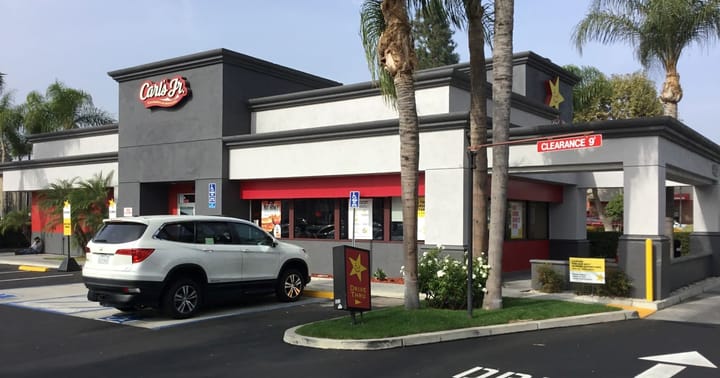
Carl's Jr. has fundamentally shifted its burger production model, moving away from assembly-line batch cooking toward made-to-order preparation. The shift represents a significant departure from how most large fast-food chains operate, where burgers are cooked in advance and held under heat lamps until ordered.
The change addresses two persistent problems in quick-service restaurants: customer satisfaction and operational waste. By cooking burgers only after an order comes in, Carl's Jr. delivers hotter, fresher products to diners. The chain reports improved customer satisfaction scores as a direct result. Guests receive burgers customized to their specifications rather than generic pre-made versions, a nod to consumer expectations shaped by the rise of personalization across food retail.
The waste reduction angle carries real business implications. Pre-cooked burgers that sit too long must be discarded. Made-to-order production eliminates this loss. For a chain operating hundreds of locations, reducing waste translates to measurable cost savings across inventory, labor efficiency, and brand reputation.
This operational philosophy echoes strategies deployed by competitors like Five Guys and Shake Shack, which built their entire business models around fresh, never-frozen beef cooked to order. Those brands command premium pricing and fierce customer loyalty partly because of this commitment to freshness. Carl's Jr., operating in the value-to-midscale segment, had traditionally accepted lower quality standards to maintain speed and price competitiveness.
The execution poses operational challenges. Made-to-order cooking extends ticket times. Drive-through windows, the lifeblood of fast-food revenue, require careful orchestration to avoid backups. Kitchen staff need training on new procedures. Point-of-sale systems must communicate orders instantaneously to cooking stations. Equipment capacity must handle sustained production without bottlenecks.
Industry observers will watch whether Carl's Jr. successfully manages these logistics. The company operates over 1,000 locations globally, with roughly 650 in North America. Rolling out operational changes at this scale requires coordination across franchisee networks, many of whom operate independently and resist menu or process changes that disrupt established routines.
The timing reflects broader industry trends. Post-pandemic consumers increasingly scrutinize food quality and demand transparency about ingredients and preparation methods. Younger diners, raised on fresh-casual concepts, expect customization as standard. Fast-food chains that cling to outdated production methods risk losing market share to nimbler competitors who prioritize quality over pure speed.
Carl's Jr. also faces headwinds from its parent company, Restaurant Brands International, which owns Tim Hortons and Burger King. Burger King, America's second-largest hamburger chain, has struggled with consistency and franchise issues. A successful Carl's Jr. turnaround could model best practices for RBI's broader portfolio.
Whether this shift becomes permanent depends on execution. If Carl's Jr. maintains speed while improving quality, the made-to-order model could become industry standard. If kitchen bottlenecks frustrate customers and extend wait times beyond tolerance, the chain will abandon the experiment. The next quarters will reveal whether made-to-order burgers deliver both operational and financial wins or become another cautionary tale of fast-food overreach.