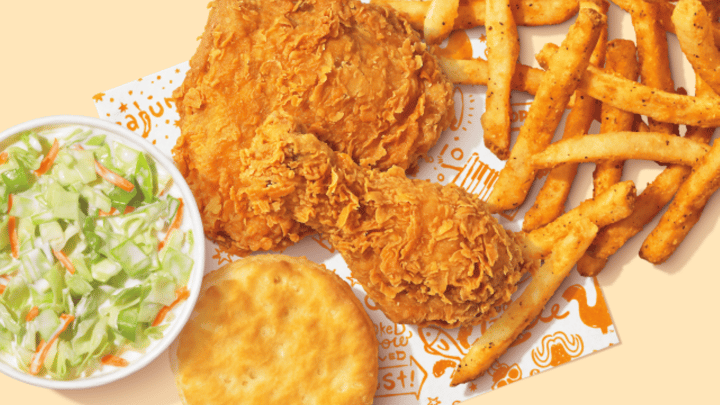
Popeyes Louisiana Kitchen is betting on taste, value, and tropical flavors to win back customers in a brutally competitive chicken sandwich market. The chain's new marketing campaign positions it as the "best tasting, best value chicken" alternative, a direct challenge to rivals like Chick-fil-A and KFC who dominate consumer preferences and traffic.
The strategy centers on three tactical moves. First, Popeyes brought back its $6 Big Box, a meal bundle that undercuts competitors on price while maintaining margin. Second, the chain launched limited-time pineapple beverages, a flavor innovation designed to drive trial and generate social media buzz. Both moves target budget-conscious consumers without sacrificing the brand's Louisiana heritage positioning.
This campaign arrives at a pivotal moment. Popeyes, owned by Restaurant Brands International, has built momentum since its viral chicken sandwich launch in 2019, but competitive pressure intensifies. Quick-service chicken chains now include not just traditional players but also growing upstarts. The pineapple beverage introduction suggests Popeyes wants to differentiate through flavor innovation rather than solely competing on chicken quality or price.
The $6 Big Box relaunch carries particular weight. Value positioning matters enormously post-inflation. Consumers have grown accustomed to paying more for everything, and chicken chains have struggled to balance traffic volume with unit economics. A clearly articulated value proposition at that price point helps Popeyes compete against Popeyes' own inflation-driven price increases while maintaining customer loyalty. The bundle likely includes a sandwich, side, and drink.
Pineapple beverages represent a bolder move. Tropical flavors appeal to younger, more adventurous consumers willing to try new products. Whether this is a regional test or national rollout remains unclear, but the specificity of the flavor choice suggests targeted marketing research. Limited-time offerings create urgency, encouraging frequency and trial from existing customers plus lapsed ones curious about novelty.
Popeyes' broader position deserves context. The chain operates roughly 3,500 locations globally, with strong presence in the United States and growing international footprints. Restaurant Brands owns other major chains including Tim Hortons and Burger King, giving Popeyes access to significant marketing budgets and supply chain advantages. Yet those resources haven't guaranteed market dominance in chicken.
Chick-fil-A maintains the strongest brand loyalty metrics and traffic among chicken specialists. KFC leverages a different positioning around fried chicken expertise and chicken tenders. Popeyes' Louisiana positioning remains authentic to its roots while the sandwich introduced different consumer expectations around spice, crispiness, and preparation. The chain must sustain this differentiation without compromising operational consistency.
The campaign's success depends on execution. A $6 Big Box only works if margins survive. Pineapple beverages only drive repeat trial if quality meets expectations. Marketing messaging alone fails if in-store experience disappoints. Popeyes has demonstrated ability to generate attention, but converting that attention into sustained traffic growth separates winners from competitors chasing trends.
This moment reflects broader quick-service chicken trends. Value matters more now. Flavor innovation accelerates as chains pursue differentiation beyond basic product quality. Popeyes' dual focus on both suggests management recognizes it cannot compete solely on either dimension. The execution over the next quarter will reveal whether this positioning resonates with the consumers Popeyes targets.