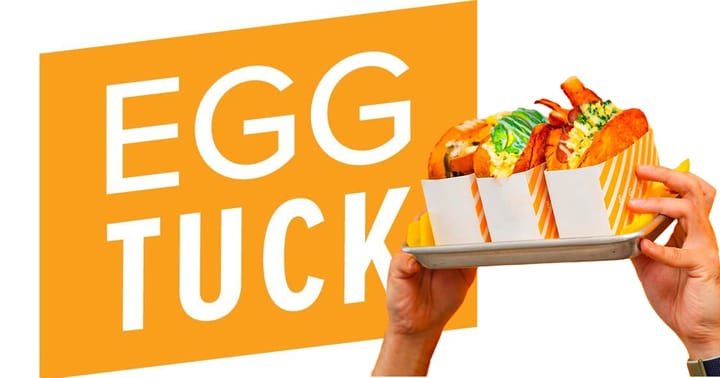
Egg Tuck, the fast-casual breakfast and lunch concept acquired by the WaBa Grill parent company in 2023, is expanding into San Diego with a new franchised growth strategy. The move marks a deliberate pivot toward scaling the brand beyond its original footprint through franchise partnerships rather than company-owned locations alone.
WaBa Grill's parent company, which operates one of Southern California's most recognizable fast-casual chains, sees Egg Tuck as a complementary daypart business. WaBa Grill focuses heavily on lunch and dinner with its Asian-inspired bowls and plates. Egg Tuck fills the breakfast and early-lunch gap, allowing the parent company to capture morning and midday traffic across different customer occasions.
The San Diego expansion signals confidence in Egg Tuck's concept and execution. The brand specializes in simple, customizable egg-based dishes, bowls, and sandwiches pitched at busy professionals and families seeking quick, protein-forward meals. This positioning directly competes with national breakfast chains like Egg Harbor and regional players dominating the fast-casual breakfast space.
The franchise model represents a meaningful business shift. Rather than opening company-owned locations, Egg Tuck now offers franchise opportunities to entrepreneurs, which accelerates growth while reducing capital requirements for the parent company. Franchising typically generates revenue through initial franchise fees, ongoing royalties, and food supply agreements. This approach mirrors how WaBa Grill itself expanded across California and beyond through both corporate and franchised units.
San Diego makes strategic sense as Egg Tuck's initial franchised expansion market. The city sits directly south of WaBa Grill's existing Los Angeles stronghold, making distribution and support infrastructure straightforward. San Diego's affluent neighborhoods, tech worker population, and breakfast-culture demand provide ideal demographics for a fast-casual breakfast concept. The market also lacks dominant regional breakfast fast-casual players, leaving white space for an emerging brand.
The acquisition itself reflected WaBa Grill's parent company recognizing the profitability potential in daypart expansion. Rather than building Egg Tuck from scratch, acquiring an existing concept with operational proof points reduced development risk. The previous years post-acquisition have likely involved menu refinement, operational standardization, and systems development necessary for franchising.
Success in San Diego could open pathways into other Western markets. The franchise model works best in regions where WaBa Grill already operates or where demographic overlap exists. Potential expansion targets include Phoenix, Las Vegas, and secondary California markets where the parent company maintains operational presence or brand awareness.
The fast-casual breakfast category remains competitive but growing. Consumers increasingly seek healthier, customizable breakfast options beyond traditional QSR chains. Egg Tuck's protein-focused messaging and made-to-order approach capitalize on these trends while maintaining the speed and value proposition essential to the fast-casual model.
For the parent company, Egg Tuck represents portfolio diversification without straying far from core competencies. Both WaBa Grill and Egg Tuck target health-conscious consumers, operate with similar labor and operational models, and benefit from shared suppliers and real estate strategies. This synergy makes the San Diego push a logical next step in building a multi-concept restaurant portfolio.