# Fast-Food Giants Dominate Headlines as Quick-Service Sector Faces Shifting Pressures
Chick-fil-A, Taco Bell, and Long John Silver's occupy center stage in restaurant industry news, reflecting the volatile landscape facing quick-service chains as they navigate changing consumer behavior, labor costs, and supply chain challenges.
Chick-fil-A continues its expansion trajectory, cementing its position as America's highest-grossing fast-food chain. The Atlanta-based chicken specialist has maintained momentum despite inflationary pressures that have squeezed competitors nationwide. The company's operational discipline and limited menu focus enable it to weather cost volatility better than broader-concept rivals. Same-store sales growth remains robust, driven by consistent execution and brand loyalty that transcends typical fast-food customer churn.
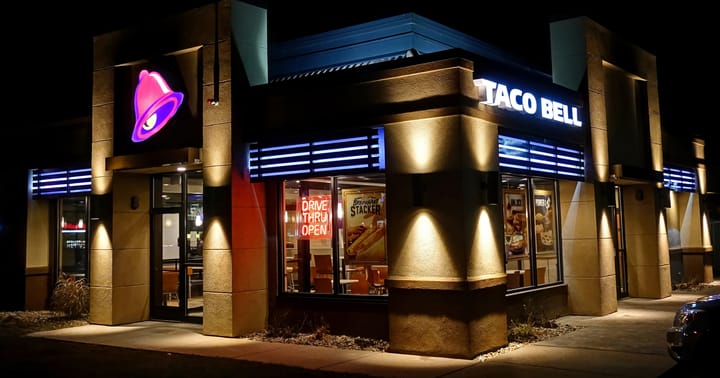
Taco Bell, owned by Yum Brands alongside KFC and Pizza Hut, pushes innovation as a counter to pricing power erosion. The chain experiments with menu engineering and value-tier offerings to capture price-sensitive diners without cannibalizing premium items. Its strategic positioning in the affordable-indulgence space gives it flexibility that premium burger or sandwich chains lack. Taco Bell's ability to test concepts rapidly through its 8,000-plus global locations provides unmatched data for optimization.
Long John Silver's represents a different challenge. The seafood-focused chain operates in a narrower niche with structural headwinds. Fried fish consumption trends downward among younger demographics, while operational complexity of seafood preparation strains franchisee economics. The brand's 1,200-unit footprint pales against competitors, limiting marketing efficiency and supply chain leverage. Long John Silver's survival depends on regional strength and occasional menu pivots toward broader appeal.
These three chains embody larger industry tensions. Premium-positioned concepts face margin compression as consumers resist price increases. Value-focused brands struggle with commodity cost fluctuations that threaten unit economics. Independent operators and smaller chains face consolidation pressure as scale becomes more critical.
Labor availability and wage pressures intensify across all segments. Drive-through optimization and digital ordering become competitive differentiators as staffing constraints persist. Chick-fil-A's closed-Sunday model and limited menu reduce labor complexity. Taco Bell's kitchen design minimizes specialized skills. Long John Silver's relies on more technical food preparation, increasing labor vulnerability.
The podcast highlighting these chains reflects investor and operator focus on which business models survive the current cycle. Chick-fil-A's dominance stems from disciplined operations and premium positioning insulated from deep discounting. Taco Bell's portfolio approach provides portfolio hedging. Long John Silver's struggles highlight how category limitations and scale disadvantages compound in a high-cost environment.
Consumer dining patterns continue shifting toward convenience, delivery, and value. Ghost kitchens and delivery-only concepts capture consumer dollars previously claimed by traditional fast-food locations. The three chains compete not just against each other but against an expanding universe of dining options.
Franchise health remains a key metric. Chick-fil-A's owned-and-operated model differs fundamentally from Taco Bell's franchisee network. Long John Silver's franchisee satisfaction directly correlates with brand viability. As corporate support for marketing and innovation becomes more critical, franchisee economics tighten across all systems.
These headlines underscore a consolidating industry where operational excellence, brand positioning, and scale matter increasingly. The race favors incumbents with either niche dominance or portfolio diversification. Mid-tier concepts without clear differentiation face sustained pressure.