# Taco Bell's 2016 Nostalgia Play Signals Shift in Fast-Food Marketing Strategy
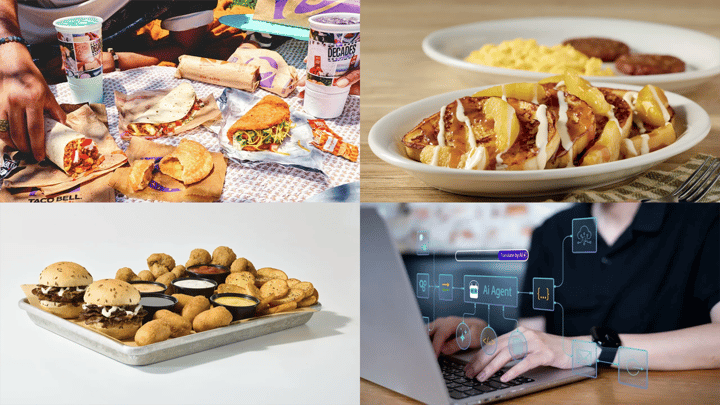
Taco Bell launched its latest Decades Menu this week, tapping into 2016 nostalgia to drive traffic and social media engagement. The chain's decision to pull from just eight years ago marks a departure from its typical playbook, which usually mines the 1980s and 1990s for retro inspiration.
The 2016-focused menu includes limited-time offerings designed to evoke specific moments from that year. Taco Bell has used Decades Menus before to capture millennial and Gen Z attention through cultural touchstones. This time, the chain targets consumers who were entering their teens or young adulthood in 2016, a demographic now holding spending power.
This strategy reflects broader trends in quick-service restaurant marketing. Chains increasingly recognize that nostalgia marketing works across multiple generational cohorts. Where McDonald's once dominated retro campaigns with 1980s references, today's fastest-growing QSR brands understand that recent past feels just as potent as distant history. The compressed timeline between 2016 and now reflects how rapidly consumer memory and cultural cycles operate in the social media age.
Taco Bell's parent company Yum Brands has positioned the chain as an innovation leader within its portfolio. The brand regularly rotates limited-time offerings to maintain menu excitement and drive repeat visits. Previous Decades Menus proved successful in generating buzz on TikTok and Instagram, where users share menu discoveries and recreate old commercial campaigns.
The timing matters. Quick-service restaurants face intense pressure to drive traffic during slower periods. By anchoring a menu around a specific year, Taco Bell creates a narrative hook that extends beyond individual menu items. The strategy transforms a product launch into a cultural moment, encouraging customers to visit specifically to participate in the nostalgia experience rather than simply grabbing lunch.
This approach also builds brand loyalty among younger consumers. Gen Z increasingly values authenticity and cultural relevance. By acknowledging 2016 as meaningful enough to celebrate, Taco Bell positions itself as attuned to its customers' lived experiences rather than speaking down to them through distant historical references.
The Decades Menu concept itself originated from consumer research showing strong emotional connections to specific time periods. Taco Bell likely discovered that 2016 carries particular resonance for its core demographic. That year held specific cultural moments, music, fashion, and food trends now ripe for recontextualization and celebration.
Success metrics for this campaign will determine whether other QSR chains follow suit. If Taco Bell sees significant sales lift and social media engagement, expect competitors to accelerate their own nostalgia-based menu innovations. Chipotle, Wendy's, and other major chains already experiment with retro offerings, but few have tested such recent timeframes.
The broader implication extends beyond marketing tactics. This campaign suggests that the concept of nostalgia itself is contracting. What once required 20 or 30 years to feel properly nostalgic now registers within just eight years. For fast-food brands, this compression creates both opportunity and challenge. Opportunities multiply when nostalgia cycles accelerate. The challenge lies in maintaining cultural relevance when reference points date so quickly.
Taco Bell's latest move demonstrates how consumer packaged goods and quick-service restaurants navigate cultural acceleration. By bringing 2016 back to menus, the chain acknowledges that memory, meaning, and marketing value accrue faster than ever before.