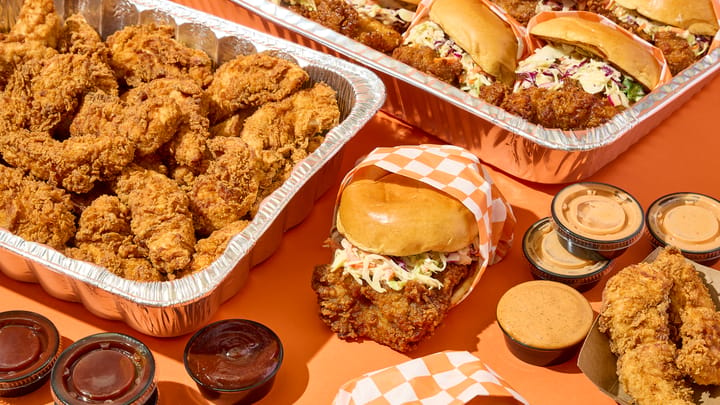
Sean Thomas brings his family's fast-food legacy into a new generation through Minnie Bird, a Chicago-based chicken concept where he applies lessons learned from his grandfather, Dave Thomas, the legendary founder of Wendy's.
The Thomas name carries weight in American quick-service restaurants. Dave Thomas built Wendy's into a national powerhouse by emphasizing fresh beef, operational excellence, and a distinctive brand voice. He personally appeared in the chain's advertising and became synonymous with the brand's identity. That entrepreneurial DNA runs through Sean Thomas, who now balances ownership of a Wendy's franchise alongside his stake in Minnie Bird.
Minnie Bird operates in a competitive landscape dominated by Chick-fil-A, Popeyes, and a sprawl of regional chicken chains. The Chicago market itself hosts established players like Raising Cane's and local favorites. Yet Sean Thomas enters with advantages his peers lack. His grandfather's business philosophy prioritized operational consistency, menu focus, and customer service fundamentals. Those principles translate directly to any restaurant concept.
At Minnie Bird, Thomas applies the Dave Thomas playbook. The chain likely maintains tight operational standards and a streamlined menu approach. Chicken-focused concepts succeed when they execute basics flawlessly. Fresh product quality, speed of service, and staff training create moats against larger competitors. Dave Thomas's insistence on standardization across Wendy's locations created a template that still works decades later.
The dual ownership structure tells another story about modern franchise entrepreneurship. Rather than abandon Wendy's entirely, Sean Thomas maintains his franchises while building something new. This approach reflects confidence in both concepts. It also provides operational expertise transfer. A Wendy's franchise owner understands restaurant cost structures, supply chain management, and labor dynamics. Those skills directly benefit Minnie Bird's operations and growth strategy.
Chicago provides fertile ground for an ambitious chicken chain. The city supports diverse dining options and has shown enthusiasm for emerging brands. Successful concepts like Frontera Grill and Girl and the Goat proved that chef-driven or concept-driven restaurants thrive when backed by operational competence. Minnie Bird benefits from both a strong family name and hands-on ownership.
The generational aspect matters beyond sentiment. Dave Thomas built Wendy's during an era when founders actively led their companies. He challenged McDonald's dominance through differentiation and personality. Sean Thomas enters a fragmented market where established chains fight for market share alongside nimble new competitors. His advantage lies in institutional knowledge and proven operational frameworks.
What Minnie Bird's growth trajectory reveals depends on execution. Fast-casual chicken concepts face margin pressures and labor cost challenges that make profitability difficult. Success requires both menu discipline and supply chain optimization. The Thomas family's experience navigating these pressures for decades provides a meaningful edge.
Sean Thomas's venture signals that legacy family names still carry value in restaurant business, but only when backed by genuine operational skill and capital. His grandfather proved that owner-operators who personally invest in their brands build lasting enterprises. Whether Minnie Bird becomes Chicago's next chicken sensation or remains a strong local player, it demonstrates how restaurant families evolve and adapt across generations.