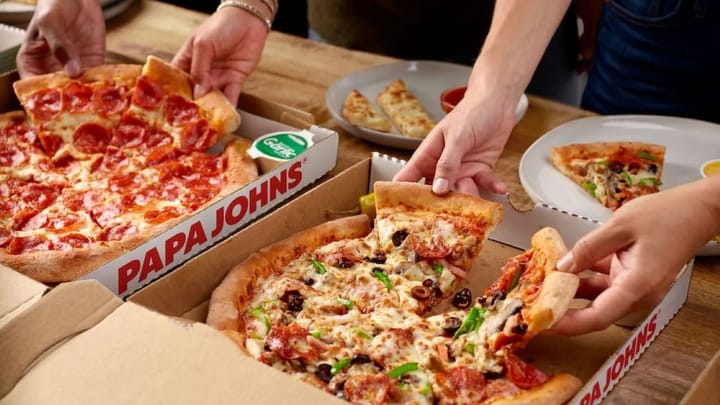
Papa John's has divested 28 company-operated locations across Florida to franchisees Wade Oney's PZZA Group and Magic City Pizzerias. The refranchising move marks the pizza chain's continued shift toward an asset-light business model, where corporate ownership steps back in favor of independent operators managing day-to-day restaurant operations.
The Florida portfolio represents a substantial footprint in the Southeast's competitive quick-service pizza market. Oney's PZZA Group and Magic City Pizzerias now shoulder responsibility for staffing, supply chain management, and local marketing across these locations, while Papa John's retains royalty streams and brand oversight through franchise agreements.
This refranchising strategy reflects industry-wide consolidation favoring franchisees with regional scale and operational expertise. Papa John's has systematically reduced its company-operated restaurant count over the past decade, allowing the chain to focus capital on technology infrastructure, menu innovation, and supply chain optimization rather than direct labor and real estate management. The move generates immediate cash flow while transferring operational risk to franchisee partners equipped to navigate local market dynamics.
Wade Oney's PZZA Group operates multiple Papa John's locations across the Southeast and brings established relationships with suppliers and delivery networks. Magic City Pizzerias similarly brings regional restaurant management experience to the table. Both franchisees benefit from Papa John's national supply agreements, marketing platforms, and ordering technology while maintaining autonomy over hiring decisions and pricing strategies.
For Papa John's shareholders, refranchising accelerates return on assets. The chain collects 5.5 percent royalties on franchisee sales plus contributions toward national advertising funds, generating recurring revenue without capital expenditure or labor obligations. This model proved effective during the 2020 pandemic when franchisees absorbed operational disruptions while the corporate chain maintained profitability.
The Florida refranchising also reflects Papa John's broader expansion ambitions. By offloading mature company locations to experienced operators, corporate leadership frees capital for new unit development in higher-growth markets or for acquisitions. The company operates approximately 3,400 locations globally, with franchised units accounting for roughly 95 percent of that footprint.
Oney's PZZA Group and Magic City Pizzerias inherit established customer bases, trained staff, and operational systems already optimized for Papa John's digital ordering platform and delivery logistics. This turnover typically preserves employment for crew members and managers while introducing new ownership structures and investment priorities at the operator level.
The refranchising announcement underscores Papa John's confidence in its franchisee ecosystem and the profitability of unit-level economics in Florida's dense urban and suburban markets. Miami, Tampa, Orlando, and Jacksonville represent high-traffic delivery zones where Papa John's competes directly with Domino's, Pizza Hut, and regional chains.
For consumers, refranchising rarely disrupts service or menu offerings. Franchisees operate under strict Papa John's brand standards covering ingredient sourcing, preparation protocols, and customer service benchmarks. New ownership may introduce localized promotions or staffing adjustments, but core product quality and delivery speed remain standardized across the system.
This move positions PZZA Group and Magic City Pizzerias for accelerated growth while allowing Papa John's to concentrate on brand building and technology investments that benefit the entire franchise network.