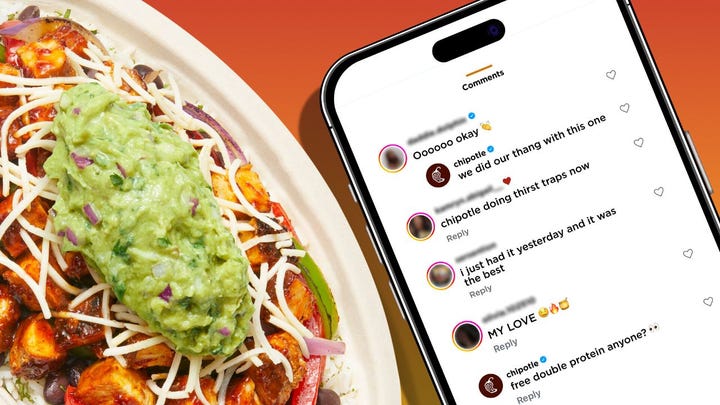
Chipotle is running a one-day double protein promotion on August 27 to mark the final week of its Honey Chicken offering on the menu. The limited-time deal allows customers to add a second protein to their orders at no extra cost, creating urgency around the departing menu item while driving traffic during what would otherwise be a standard Tuesday.
The Honey Chicken, which featured marinated chicken with a sweet glaze, represents another in Chipotle's ongoing cycle of protein experimentation. The chain regularly rotates limited-time proteins to test customer demand, gather data on preferences, and create newsworthy moments that drive social media engagement and foot traffic. This approach differs from competitors like Qdoba or regional chains that maintain more static menus. By positioning items with defined end dates, Chipotle manufacturers scarcity psychology. Customers who have grown attached to Honey Chicken face a genuine deadline to order it one last time.
The double protein promotion serves multiple business objectives. It boosts average ticket size by encouraging customers to combine proteins they might not normally pair together. A customer could select Honey Chicken alongside carnitas or steak, experimenting with flavor combinations. The deal also masks the product discontinuation as a celebration rather than a failure, framing the final week as a farewell party rather than admitting the protein underperformed.
Chipotle's protein strategy reflects broader fast-casual trends. Chains increasingly use menu rotation to control costs, test margins on different proteins, and maintain brand freshness without major operational overhauls. Poultry carries lower food costs than beef or pork, making limited Honey Chicken runs financially efficient. The promotion likely targets price-sensitive customers while protecting the chain's average unit volume during the transition period.
The timing matters. August 27 falls on a Tuesday, historically one of the slower sales days in the restaurant calendar. By anchoring the promotion to Honey Chicken's final week rather than running it earlier, Chipotle ensures maximum press coverage and customer awareness builds toward the deadline. It's a calculated move to extract final sales from a departing item.
For customers, the double protein deal represents genuine value. Chipotle typically charges $2.50 to $3.00 for additional proteins, making the promotion worth at least that amount depending on individual location pricing. Loyalty program members likely receive notifications about the deal through the app, targeting engaged customers most likely to act on time-limited offers.
The promotion illustrates how fast-casual chains now operate menus like tech companies deploy limited releases. Rather than permanent offerings, proteins become seasonal events with built-in expiration dates. This keeps the brand in conversation, generates repeat visits from customers chasing what they might lose, and creates natural promotional hooks throughout the year.
Chipotle's customer base has grown accustomed to this rhythm. Regular diners understand that favorite items disappear, creating a "strike while it's hot" mentality that drives both spontaneous ordering and social media chatter. For the chain, it's a low-risk way to clear inventory while generating the kind of urgency that translates directly into sales during what would otherwise be a forgettable Tuesday in late August.