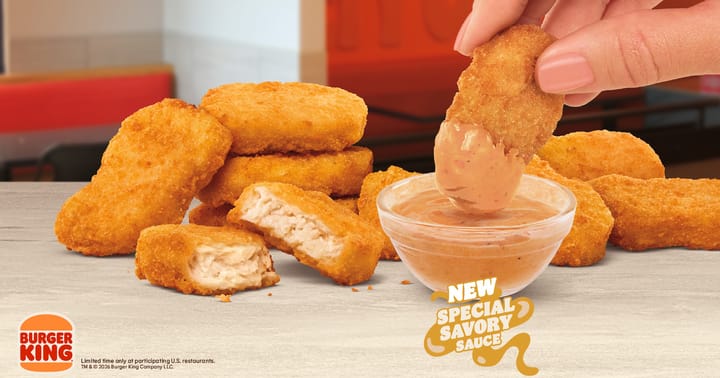
Burger King enters the competitive fast-casual nugget wars by rolling out reformulated chicken nuggets designed to capture market share from rivals like Chick-fil-A and Popeyes. The chain replaces its existing nuggets with a product made from white meat chicken, featuring crispier breading and a more robust marinade to differentiate itself in a category that has become central to quick-service restaurant strategy.
The move reflects a broader industry pivot toward chicken nuggets as a profit driver. McDonald's, Wendy's, and regional chains have all invested heavily in nugget innovation over the past three years, recognizing that these bite-sized proteins appeal to diverse customer bases and command premium pricing. Burger King's timing capitalizes on consumer appetite for better-quality nuggets while the category remains hot.
The white meat specification matters because it signals a quality leap. Previous Burger King nuggets used mixed poultry, a cost-conscious approach common in the industry. White meat carries better perception among consumers who associate it with healthier eating, even if nutritional differences remain marginal. The crispier breading targets textural satisfaction, a key differentiator in blind taste tests where crunch often determines winners.
The Special Savory Sauce introduces a new flavor vector to the offer. Rather than simply relying on ranch, barbecue, or sweet-and-sour standards, Burger King creates a proprietary dipping option that encourages customers to perceive nuggets as a premium experience. This sauce strategy mirrors what Popeyes executed successfully with its chicken sandwich rollout, where distinctive sauce became part of the brand narrative and drove social media conversation.
The sauce overhaul extends beyond nuggets. Burger King acknowledges that its condiment lineup needed refreshing to support the entire chicken platform. Updated sauces work in concert with the improved nuggets, creating a complete experience rather than incremental adjustment to a single product.
Operationally, this move requires supply chain changes. White meat sourcing costs more than mixed poultry, forcing Burger King to either absorb margin pressure or increase menu prices. Given industry pricing trends, price increases likely accompany the launch, positioning nuggets as a premium snack rather than a value play. This pricing strategy depends on consumers accepting higher costs for perceived quality improvements.
The competitive landscape demanded this refresh. Chick-fil-A dominates nugget perception through consistent quality and religious focus on chicken. Popeyes leveraged its sandwich success to build nugget credibility. Wendy's positioned its nuggets around premium ingredients and flavor. Burger King's previous nugget offering occupied middle ground without strong differentiation. The new formula repositions the chain as quality-conscious, targeting customers who want better-than-standard fast food without committing to full premium chains like Chick-fil-A.
This renovation also strengthens Burger King's chicken portfolio beyond the flame-grilled sandwich core. As consumer palates diversify and daypart occasions expand, having a credible nugget offering keeps customers in the restaurant across breakfast through late night. Nuggets work as snacks, kids meal components, or standalone orders, expanding revenue opportunities per visit.
The launch requires marketing support to communicate the improvements. Generic "new and improved" messaging underperforms. Burger King must highlight white meat sourcing, breading crispness, and sauce innovation through sampling, digital media, and in-restaurant promotion to justify the premium positioning and drive trial among existing customers and defectors from competitors.