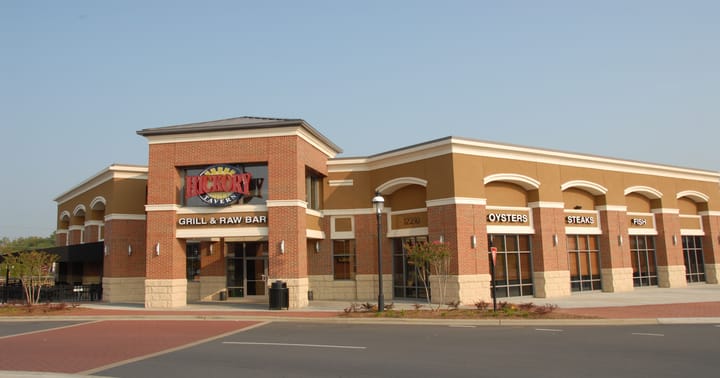
Artistry Restaurants, the North Carolina-based multi-concept operator, has closed four Hickory Tavern locations as part of a strategic portfolio restructuring following its acquisition of the casual dining brand last year. The company cited cannibalization concerns between overlapping locations as the reason for the shutdowns.
Hickory Tavern operates 16 remaining units across North Carolina and South Carolina. The closures represent a 20 percent reduction of the footprint Artistry inherited when it took over the brand. The decision reflects a broader challenge facing restaurant groups that acquire existing concepts. When multiple locations operate within the same geographic market, they can pull customers from one another rather than expanding the overall customer base.
Artistry Restaurants operates several brands under its umbrella, creating an environment where duplicate or nearby locations naturally compete for the same diners. Hickory Tavern, positioned as a casual dining establishment, likely faced such pressures in certain markets where the company already maintained other restaurant concepts or where two Hickory Tavern units sat too close together to justify both operations.
The casual dining sector has faced headwinds in recent years. Rising labor costs, consumer preference shifts toward fast-casual and quick-service options, and the lingering effects of pandemic-era disruptions have forced many operators to reassess their real estate strategies. Artistry's move aligns with industry trends toward smaller, more efficiently run portfolios rather than sprawling networks of underperforming units.
The four closed locations represented real estate that likely struggled to maintain adequate sales or profitability. Rather than invest in renovations or marketing pushes that might revive struggling units, Artistry chose the faster path of consolidation. This frees up capital for the company to invest in stronger-performing locations within the remaining 16-unit Hickory Tavern network or to develop other brands in the Artistry portfolio.
For employees at the shuttered locations, the closures meant job losses. For the communities where those restaurants operated, the closures removed casual dining options and potential tax revenue. However, if cannibalization truly existed, those customers may simply migrate to the nearest remaining Hickory Tavern location, creating a net benefit for the remaining units through consolidation of demand.
Artistry's handling of Hickory Tavern offers a case study in acquisition integration. Buying an existing multi-unit brand comes with real estate, customers, and employees already in place. But it doesn't always come with optimal unit economics. The smart acquirer identifies underperformers quickly and acts decisively, as Artistry has done. The company's willingness to close units rather than limp along with marginal operations suggests a disciplined approach to portfolio management.
The remaining 16 Hickory Tavern locations will likely see operational support and attention that previously had to be split across a larger footprint. Better-resourced individual units often outperform diluted networks. Artistry's next move will involve determining whether to grow the Hickory Tavern brand, stabilize it at current levels, or continue selective pruning depending on market conditions and performance metrics.