# Fast Food Executives and Loyalty Programs Drive Restaurant News Cycle
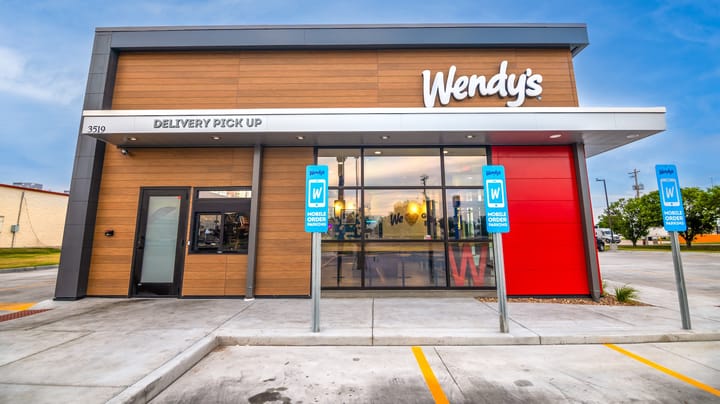
The restaurant industry faces shifting leadership and strategic pivots as major chains recalibrate their approaches to customer retention and menu innovation. Wendy's recent executive changes signal broader moves within the sector as chains compete for market share in an increasingly crowded quick-service restaurant landscape.
Wendy's presidential transition reflects the chain's efforts to strengthen operational execution and brand positioning. Leadership changes at major QSR operators typically precede significant strategic shifts, whether in pricing, technology adoption, or menu development. The timing matters because fast food chains continue navigating post-pandemic consumer behavior, where value perception and loyalty programming have become decisive competitive factors.
Throwback menus represent another trend gaining traction across the industry. Chains mining their archives for discontinued items tap into nostalgia marketing while testing lower-risk product launches. These limited-time offerings generate social media buzz and drive traffic without requiring extensive R&D investment. Wendy's, McDonald's, and others have found success bringing back menu items that performed well historically, capitalizing on Gen Z and millennial consumers who engage heavily with retro food content online.
Panera Bread's loyalty program expansion deserves particular attention here. The chain has invested heavily in digital loyalty infrastructure, recognizing that repeat customer data drives profitability more efficiently than constant customer acquisition. Panera's loyalty members spend significantly more than non-members and visit more frequently. The program integrates with the chain's digital ordering and delivery ecosystem, creating multiple touchpoints for engagement. This approach mirrors what Chipotle, Starbucks, and other industry leaders have executed successfully.
The convergence of these three developments, the podcast notes, reflects how modern QSR strategy operates. Executive leadership sets vision and budget priorities. Menu innovation, whether throwback or entirely new, captures attention and drives visits. Loyalty programs convert casual visitors into predictable revenue streams. Together, these elements create competitive moats that protect market position.
For consumers, this environment offers both benefits and concerns. Loyalty programs mean discounts and personalized offers for engaged users. Menu nostalgia taps into genuine consumer preference for comfort and familiarity. However, the underlying calculus remains ruthlessly commercial. Each loyalty program captures valuable behavioral data. Every throwback menu item serves as a test case for future permanent offerings. Every executive hire signals where capital allocation will flow next quarter.
Nation's Restaurant News covers these stories because they predict industry direction. When Wendy's appoints new leadership, when Panera expands loyalty reach, when chains resurrect vintage menus, they reveal what restaurant executives believe will win market share in coming years. These aren't isolated decisions but coordinated responses to changing consumer preferences, labor economics, and competitive pressure.
The restaurant industry remains one of America's largest employers and a bellwether for broader consumer spending patterns. What happens at Wendy's, Panera, and comparable chains matters beyond industry insiders. It reflects how billions of dollars in annual spending distribute across the food service sector and what experiences customers will encounter during their daily routines.