# Red Lobster, Jollibee, Sonic Navigate Shifting Casual Dining Landscape
The casual dining sector continues its uneven recovery as three major chains face distinct challenges and opportunities in a market still adjusting to post-pandemic consumer behavior.
Red Lobster, the seafood casual dining stalwart, remains under pressure as it attempts to stabilize operations following years of margin compression and changing diner preferences. The chain has experimented with value-focused promotions and menu adjustments to compete against both fast-casual concepts and higher-end steakhouse experiences. Its parent company TGI Friday's faced bankruptcy in 2023, signaling broader distress in the sit-down restaurant category that competes directly with Red Lobster's positioning.
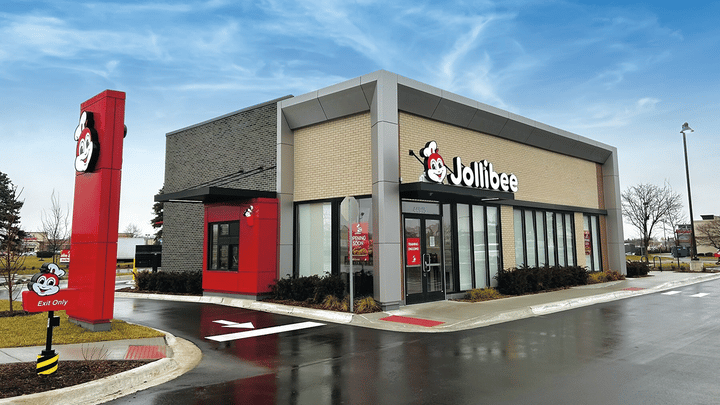
Jollibee Foods Corporation, the Philippine-based fried chicken giant with aggressive U.S. expansion plans, continues building its American footprint. The chain operates over 60 locations across the United States and shows no signs of slowing international growth. Jollibee's success hinges on its distinctive menu that fuses Filipino flavors with quick-service efficiency, a formula that has resonated with diverse urban populations. The brand plans to double its U.S. presence within the next several years, betting that American diners crave alternatives to the dominant chicken sandwich wars fought by Chick-fil-A, Popeyes, and KFC.
Sonic Drive-In, the Oklahoma-born drive-thru chain with nearly 3,500 locations, operates at a different scale entirely. The brand targets price-conscious consumers seeking speed and convenience, though it competes intensely with McDonald's and Wendy's on their turf. Sonic's recent initiatives focus on technology integration, limited-time offerings, and regional menu customization to drive traffic during slower dayparts.
These three chains represent different survival strategies in restaurant retail. Red Lobster banks on nostalgia and destination dining, Jollibee leverages cultural authenticity and underserved markets, while Sonic pursues operational efficiency and value positioning.
The casual dining recovery narrative looks vastly different depending on the specific concept. Seafood-focused chains struggle with commodity cost volatility and shrinking dayparts. Fast-casual concepts with distinct identities gain traction in competitive markets. Drive-thru formats benefit from labor constraints that make service models with fewer interactions increasingly valuable.
Consumer spending patterns have permanently shifted since 2019. QSR traffic and transaction sizes now depend heavily on digital ordering, loyalty programs, and competitive pricing rather than the walk-in traffic that sustained many casual chains. Chains failing to invest in kitchen technology, mobile ordering, and off-premise fulfillment fall further behind.
The podcast format coverage from Nation's Restaurant News reflects how the industry itself now monitors these chains. Trade publications track operational metrics, franchisee satisfaction, and unit economics with precision unavailable to general business media. For restaurant investors and franchise operators, understanding which chains successfully navigate supply chain constraints, labor costs, and evolving diner expectations determines profitability.
Red Lobster, Jollibee, and Sonic face fundamentally different odds, but all three must continue adapting menus, technology platforms, and unit economics to survive in a consolidating sector where scale alone no longer guarantees success.