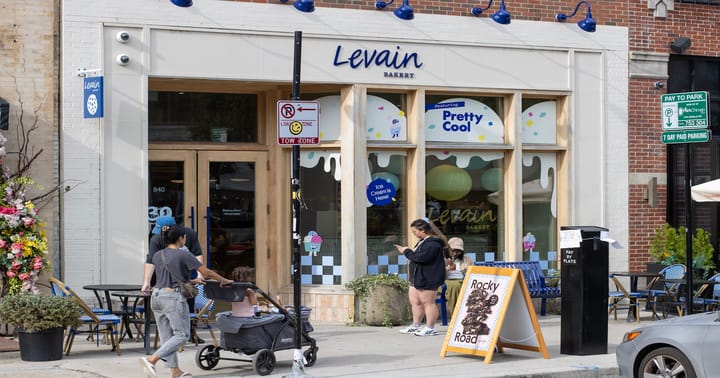
Levain Bakery, the New York City institution known for its gooey chocolate chip cookies the size of a small fist, has elevated two long-time executives to the role of co-CEOs, signaling a new leadership structure as the bakery chain plots its expansion strategy.
The promotion comes as John Maguire, the outgoing CEO, transitions to the board. Levain has not disclosed the names of the newly appointed co-CEOs, though the bakery emphasized that both leaders came up through the ranks. This shift reflects a common pattern in growing restaurant chains: distributing leadership responsibilities across trusted internal talent rather than bringing in outside executives.
Levain operates 19 units across the country, a modest footprint for a brand with such name recognition. The bakery built its reputation on a deceptively simple formula. Each cookie uses premium butter, dark chocolate, and a carefully guarded dough recipe developed by founder Connie Koppelman, who opened the first Levain location in Manhattan in 1974. The cookies sell for around $8 to $10 each, a premium price point that has not deterred lines stretching around the block at the original Upper West Side location.
The brand has expanded beyond its flagship cookie. Levain now operates full-service bakeries where customers can purchase croissants, brownies, and other baked goods. Some locations operate as retail shops; others function as full-service cafes. This diversification has helped the chain generate revenue streams beyond the iconic cookie.
The transition to co-leadership could accelerate Levain's growth trajectory. Co-CEO structures typically allow companies to divide operational oversight, with one executive focusing on expansion and the other managing day-to-day operations. For Levain, this arrangement may enable faster unit growth while maintaining the brand's quality standards, a balancing act that has challenged other artisanal bakery chains attempting scale.
Levain has explored franchise opportunities in recent years, moving beyond company-owned locations. The bakery operates units in major markets including Los Angeles, Washington DC, and Chicago, alongside its New York stronghold. International expansion remains a question mark, though the brand's cult status suggests potential for select markets.
The bakery industry faces headwinds. Labor costs continue to rise, ingredient inflation pressures margins, and consumer preferences shift toward health-conscious options. Yet Levain has maintained pricing power by positioning its cookies as indulgences rather than everyday items, a positioning that works especially well in affluent urban markets.
Maguire's decision to step back while remaining on the board provides institutional continuity. His continued involvement could smooth the transition and ensure consistency in strategic direction. This hybrid approach has worked well at other food-focused companies where founders or long-time leaders retain advisory roles.
The appointment comes at a moment when Levain faces questions about whether it can grow beyond its New York identity without diluting brand appeal. The co-CEO structure suggests the bakery plans aggressive expansion. Success will depend on whether the new leaders can replicate the operational excellence and supply chain discipline that built Levain's reputation, while opening enough new locations to satisfy investor expectations.