# Fast Food Chains Navigate Rising Costs as Consumer Wallets Tighten
The restaurant industry faces mounting pressure from fuel inflation and changing consumer behavior, with major chains like Taco Bell and Subway at the center of a broader economic reckoning affecting how Americans eat away from home.
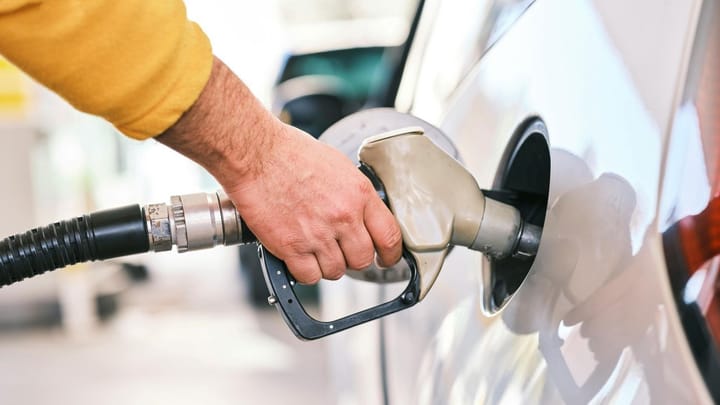
Gas prices have created cascading effects across the supply chain. Delivery costs rise when fuel prices climb, forcing restaurants to either absorb losses or pass expenses to customers through higher menu prices. Taco Bell and Subway, two of the nation's largest quick-service restaurant chains, operate hundreds of franchises dependent on efficient logistics. When a gallon of gasoline crosses the four-dollar threshold, franchise operators feel immediate pressure on their bottom lines.
Taco Bell parent company Yum Brands has maintained aggressive expansion plans despite headwinds, relying on the brand's value positioning to weather economic uncertainty. The chain's $5 Cravings Box and similar promotions attempt to capture price-conscious consumers. Meanwhile, Subway operates as a franchise-heavy model where individual operators manage their own economics. Rising fuel costs hit independently owned Subway locations particularly hard since they lack the corporate purchasing power of larger chains.
The podcast format from Nation's Restaurant News reflects how the industry consumes business intelligence daily. Restaurant executives, franchisees, and investors need real-time updates on fuel markets, commodity prices, and consumer spending data. These daily briefings have become essential as margins compress across quick-service segments.
Delivery platforms like DoorDash, Uber Eats, and Grubhub compound the problem. Third-party delivery adds 15 to 30 percent to customer bills through commissions and service fees. When fuel costs rise, delivery economics deteriorate further. Some restaurants experiment with in-house delivery or pickup-only models to retain margin. Others raise menu prices to offset delivery platform commissions and rising operational costs.
Consumer behavior shifts accordingly. Families eating out less frequently opt for drive-through visits or takeout rather than delivery. Taco Bell's drive-through optimization and Subway's counter-service model both benefit from reduced reliance on expensive delivery logistics. Lower-income consumers, traditionally core Taco Bell and Subway customers, cut restaurant visits when gas prices spike and grocery costs rise simultaneously.
Franchise operators face the most acute pressure. A Subway franchisee managing a single location cannot negotiate better fuel prices with suppliers the way corporate chains can. Rising food commodity costs combined with elevated fuel prices squeeze the 6 to 8 percent margins typical in quick-service franchising. Some operators close underperforming units or sell to larger operators.
The restaurant industry's daily tracking of fuel prices, traffic counts, and transaction data reveals how tightly connected food service remains to energy costs. Every dollar increase in gas prices ripples through delivery networks, supply chains, and franchise economics. Taco Bell's parent company adjusts national marketing and promotional calendars based on economic forecasts. Subway franchisees watch the same fuel reports but lack the strategic flexibility to respond quickly.
This economic pressure accelerates consolidation in the franchise sector. Stronger operators acquire weaker ones. Brands offering value positioning outperform premium concepts. The industry adapts by emphasizing drive-through convenience, limiting menu complexity to reduce waste and inventory carrying costs, and leveraging technology to streamline operations.