# New on the Menu: Potato Salad with Eel and Tuna-Tomato Crudo
Restaurant menus across the country are shifting toward unexpected ingredient combinations and historical inspirations, moving beyond conventional pairings into territory that challenges diners' preconceptions about what belongs on a plate together.
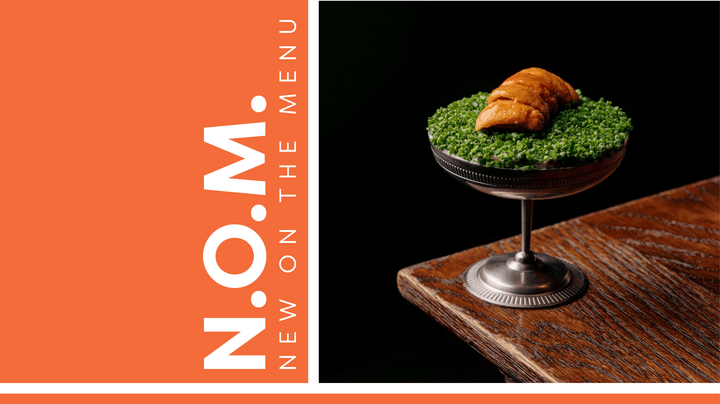
The most striking example centers on potato salad reimagined with eel and tuna-tomato crudo. This dish demonstrates a growing trend where chefs treat classical side dishes as canvases for experimentation. The earthiness of potatoes combines with the rich, buttery texture of eel while the bright acidity of a tomato crudo cuts through both elements. The combination works because each component serves a function rather than simply piling unexpected proteins atop a starch.
Accompanying this dish is a dip fashioned from sake lees, the solids left over from sake production. Sake lees contain amino acids and umami compounds that create depth when transformed into a creamy condiment. Rather than discarding this byproduct, chefs are now viewing it as a versatile base for flavor development. The practice reflects broader restaurant trends toward zero-waste cooking and ingredient respect while introducing diners to Japanese fermentation techniques they may never have considered.
Steak preparations are also undergoing transformation. One new menu item draws inspiration from traditional stew recipes, applying slow-cooking techniques and flavor profiles associated with braised beef to a steak format. This approach likely involves marinades heavy on umami elements, reduction sauces, and cooking methods that prioritize tenderness and flavor absorption over the conventional seared exterior method. The stew-to-steak translation represents chefs working backward from nostalgia to create something novel.
Perhaps the most playful addition involves a cocktail inspired by a song inspired by a frog. This layered creative reference speaks to the narrative-driven approach many restaurants now embrace. Rather than simply mixing spirits and citrus, bartenders craft drinks with storytelling embedded into their construction. The frog reference likely hints at whimsy, possibly incorporating botanical elements or herbaceous notes that evoke amphibian habitats or folklore associations.
These menu items signal a restaurant industry moving toward specificity and cultural reference points. Diners increasingly seek meals that offer more than nutrition or satisfaction. They want edible stories and unfamiliar flavor combinations that require explanation and justify premium pricing.
The shift also reflects chef confidence in their audience's adventurous palates. Ten years ago, potato salad with eel might have seemed too avant-garde for mainstream American restaurants. Today, diners actively seek dishes that require culinary knowledge to fully appreciate. Sake lees, eel, crudo preparations, and stew-inspired steaks all require either Japanese culinary literacy, fine dining experience, or both.
These additions to menus across the nation demonstrate restaurants testing boundaries while respecting ingredient integrity. The resulting dishes avoid pretension by grounding themselves in functional flavor theory rather than pure novelty.