# Mod Pizza Refreshes Menu Strategy, Putting Customer Voice Front and Center
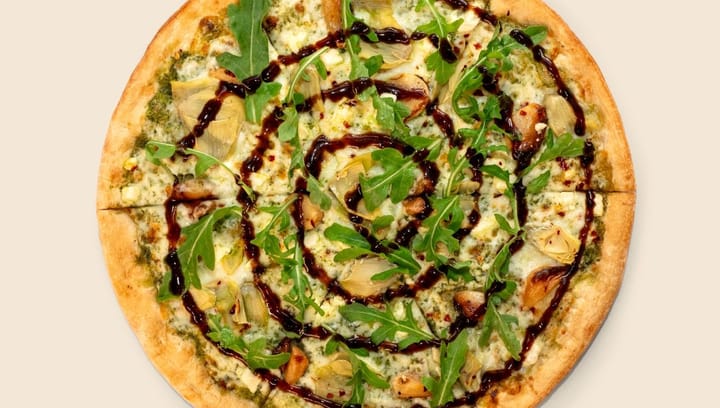
Mod Pizza has overhauled its menu based on direct customer feedback, signaling a shift toward guest-driven product development in the fast-casual pizza segment. The Seattle-based chain introduced five new signature pizzas, a Mediterranean salad, and expanded dessert options that reflect what diners actually want to eat.
The move comes as fast-casual pizza chains compete fiercely for market share against both traditional pizzerias and newer entrants. Mod Pizza, which operates over 600 locations across North America and Europe, built its model on customization. The latest menu refresh suggests the brand recognizes that while customization drives frequency, curated signatures drive traffic and simplify ordering for time-pressed customers.
The five signature pizzas represent Mod's interpretation of customer preferences gleaned from ordering data and feedback channels. Rather than launching speculative new items, the company tracked what customers built themselves through the customization interface, then formalized the most popular combinations into chef-designed signatures. This approach mirrors strategies employed by other quick-service chains that mine transaction data for product innovation.
The Mediterranean salad addition targets the growing segment of diners seeking non-pizza options at pizza chains. Consumers increasingly demand variety even within specialized concepts. Salads provide perceived healthfulness and accommodate dietary preferences without forcing customers to a separate restaurant. Mod's Mediterranean positioning aligns with broader consumer trends favoring bold, globally-inspired flavors over bland side dishes.
The dessert expansion reflects another clear consumer signal. Fast-casual pizza chains have historically treated desserts as afterthoughts. Mod's decision to broaden this category acknowledges that customers want complete meals, including sweet finishes. The specific desserts weren't named in the announcement, but expanded offerings typically include items like brownie bites, cookies, or gelato to suit both indulgence and lighter preferences.
This menu evolution demonstrates how chains now operate more like product companies than restaurants. Mod Pizza collects feedback through multiple touchpoints: in-app ordering data, direct customer surveys, and social media. The chain then validates concepts before full rollout, reducing waste and failure risk. The Mediterranean salad and new pizzas likely tested through regional markets or customer panels before chain-wide availability.
For competitors, Mod's approach underscores the importance of listening infrastructure. Pizza chains like Blaze Pizza and Pieology also offer customization, but execution varies. Chains that translate customer data into menu action faster maintain relevance. Those that ignore feedback risk becoming stale.
The timing also reflects post-pandemic consumer behavior. Since 2020, diners have demanded more flexibility in their fast-casual experiences. They want customization, yes, but also discovery through curated menus. Mod's balance of both addresses that dual expectation.
The signature pizza strategy particularly matters. Customization can overwhelm customers with choice. Offering five chef-tested signatures reduces decision fatigue while maintaining the customization promise for those who want it. It's a textbook example of structured choice architecture improving both sales and satisfaction.
Mod Pizza's refresh positions the chain for the competitive year ahead. As labor costs rise and consumer wallets tighten, chains succeed by deepening guest relationships. Listening to what customers actually want, then delivering it well, builds loyalty that discounts cannot match.