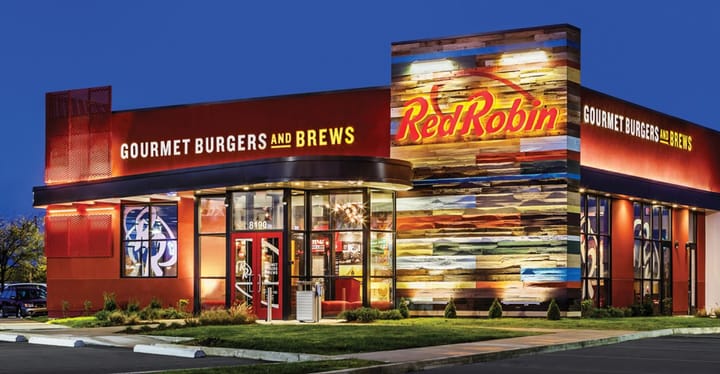
Red Robin Burgers reports its strongest customer traffic in more than three years, crediting two operational shifts that are reshaping how the casual-dining chain competes in a crowded market.
The turnaround centers on value meal bundles and leaner staffing models. These moves reflect broader industry pressures facing mid-scale burger restaurants, which sit between fast-casual joints like Five Guys and quick-service chains offering dollar menus.
Value pricing has become the battleground. Red Robin introduced bundled meal offerings that bundle burgers, fries, and drinks at lower price points, directly responding to consumer spending pullback. Traffic metrics show this strategy works. Foot traffic climbing to three-year highs demonstrates customers respond when restaurants make their offerings feel affordable again. This matters because casual dining has hemorrhaged traffic since 2022 as consumers shifted spending to both premium dining and cheaper quick-service options.
Staffing changes reveal the other side of the equation. Tighter workforce models mean fewer bodies on the floor, adjusted scheduling, and reorganized kitchen workflows. Red Robin is betting it can maintain service quality while reducing labor costs, the chain's largest controllable expense. The labor market has cooled from pandemic peaks, giving operators more flexibility. However, this gamble carries risk. Service slowdowns or longer waits could undermine the traffic gains the chain has worked to rebuild.
The chain's performance contrasts with broader casual dining stress. Applebee's, Olive Garden parent Dine Global, and other players have all reported traffic declines or stagnation through 2023 and 2024. Red Robin's uptick suggests its specific approach resonates, though the chain still operates far below pre-pandemic normal.
Red Robin operates 570-plus locations and generates roughly 1.2 billion in annual revenue. The chain has faced years of underperformance and restructuring. Previous management changes, menu adjustments, and real estate moves have all been part of attempts to stabilize the business. This traffic recovery represents validation that the current strategy gains traction.
The value meal strategy also positions Red Robin to compete during potential recession or continued consumer caution. If wallets stay tight through 2024 and beyond, restaurants with clear value positioning outperform those without it. McDonald's and Wendy's have both leaned hard into value menus. Red Robin is playing the same game with branded offerings suited to its burger-focused identity.
Execution risk remains. Staffing thinly works only if training quality holds and systems can handle volume. One bad weekend where service collapses or order accuracy drops could reverse momentum. The burger wars are notoriously competitive. Five Guys and Shake Shack command premium positioning and pricing power. Quick-service chains own the volume game. Red Robin occupies middle ground where value and reliability both matter.
The three-year traffic high suggests the chain has found a formula that works right now. Whether it sustains depends on holding both prices competitive and service standards high. For a chain fighting its way back, forward motion beats stagnation.