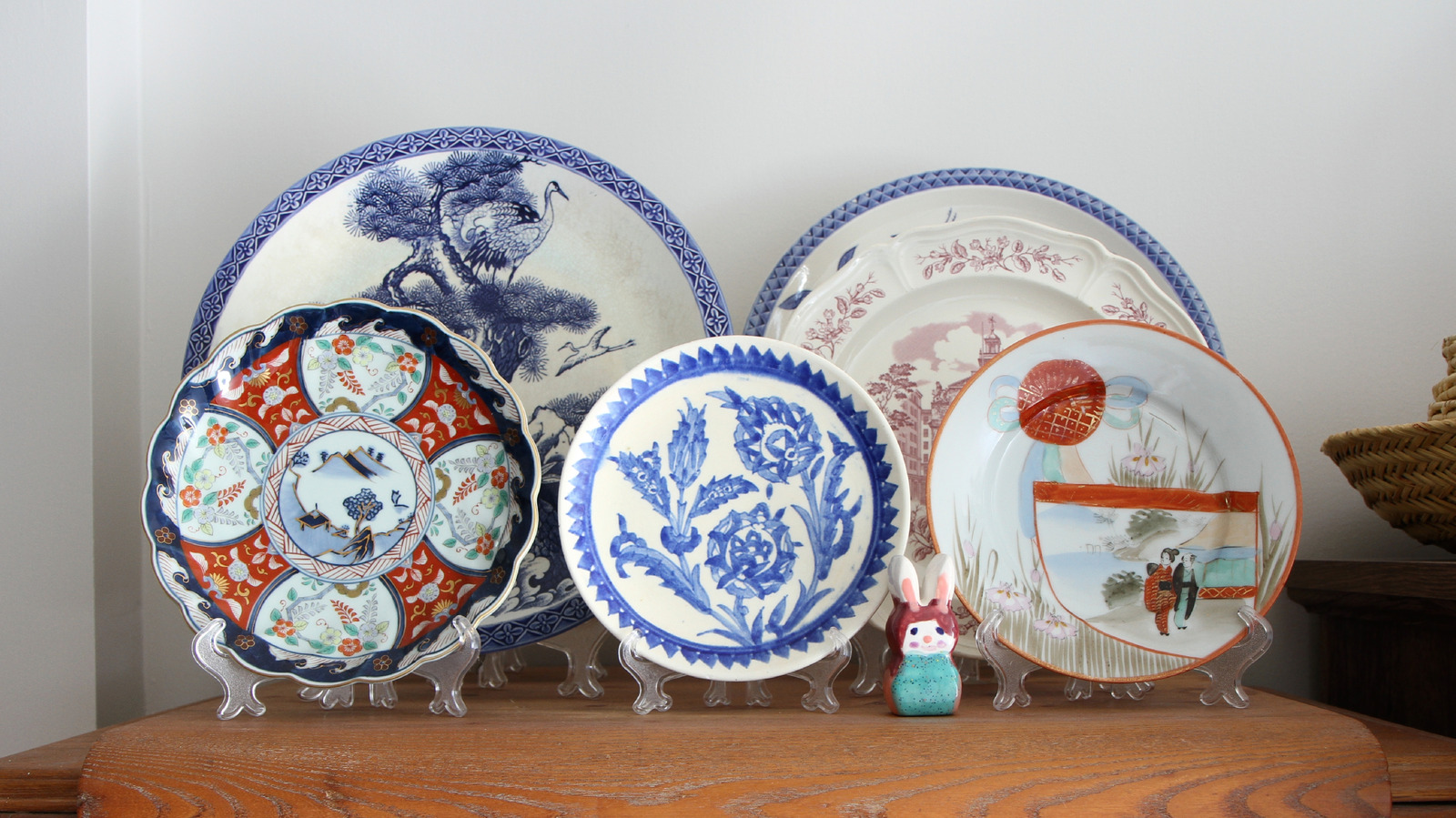
Vintage china is having a moment, and retailers are eager to capitalize on nostalgia-driven collectors hunting through thrift stores for a piece of the past. But the current enthusiasm obscures an uncomfortable truth: not all vintage dishware deserves equal attention or investment. Take Royal Albert, the English brand now being marketed as the next big thing in retro home décor. While it's certainly collectible, calling it a smart acquisition overlooks more compelling alternatives that offer genuine rarity and lasting value.
Royal Albert's 100-year history and worldwide popularity—boosted by Queen Victoria's 1897 mark of approval before its 1904founding—created a problem for collectors: too many pieces survived. That abundance is precisely why sets like Old Country Roses (1962-present) sell for merely $50 to $100 on eBay, and even earlier runs rarely exceed $400. Vintage Lady Carlyle (1980-2022) might fetch about $250 per full set, but these prices reflect market saturation, not scarcity. Royal Albert china is, as the evidence suggests, simply "not particularly high-end among the vintage china world." When abundance determines price, there's little upside for serious collectors.
The report itself points readers toward genuinely worthwhile alternatives. Royal Copenhagen, the 251-year-old Danish company, represents the standard collectors should seek. Its Flora Danica pattern—a limited-run originally intended as a gift to Empress Catherine II of Russia—commands $1,000 to $40,000 and up per piece. Similarly, Spode, founded in 1776 in the same town that later produced Royal Albert, actually revolutionized ceramics by inventing feldspar porcelain and commercializing bone china. Vintage Spode sets justifiably sell for $300-$500 today because rarity backs the price.
Even American vintage china offers better collecting prospects than Royal Albert's saturated market. Lenox's Fountain pattern (1926-1948) is rare enough that full table sets are uncommon, with individual pieces ranging from $4 to nearly $300. The wide valuation range reflects genuine scarcity—you're not guaranteed to find these pieces anywhere. This is what collectors should actually pursue: dishware where rarity creates legitimate value, not pieces flooding thrift stores because millions were produced.
Royal Albert's enduring production—it's still manufactured today, though no longer independently or in England—only reinforces that this brand occupies the mass-market tier of vintage china. Collectors scouring thrift stores should save their money and patience for pieces with real scarcity and history. Seek out Spode, Royal Copenhagen, or even Fountain. Leave the Royal Albert for casual décor enthusiasts content with affordable nostalgia. The vintage china market rewards those willing to hunt for genuine rarity, not brand names riding current trend waves.