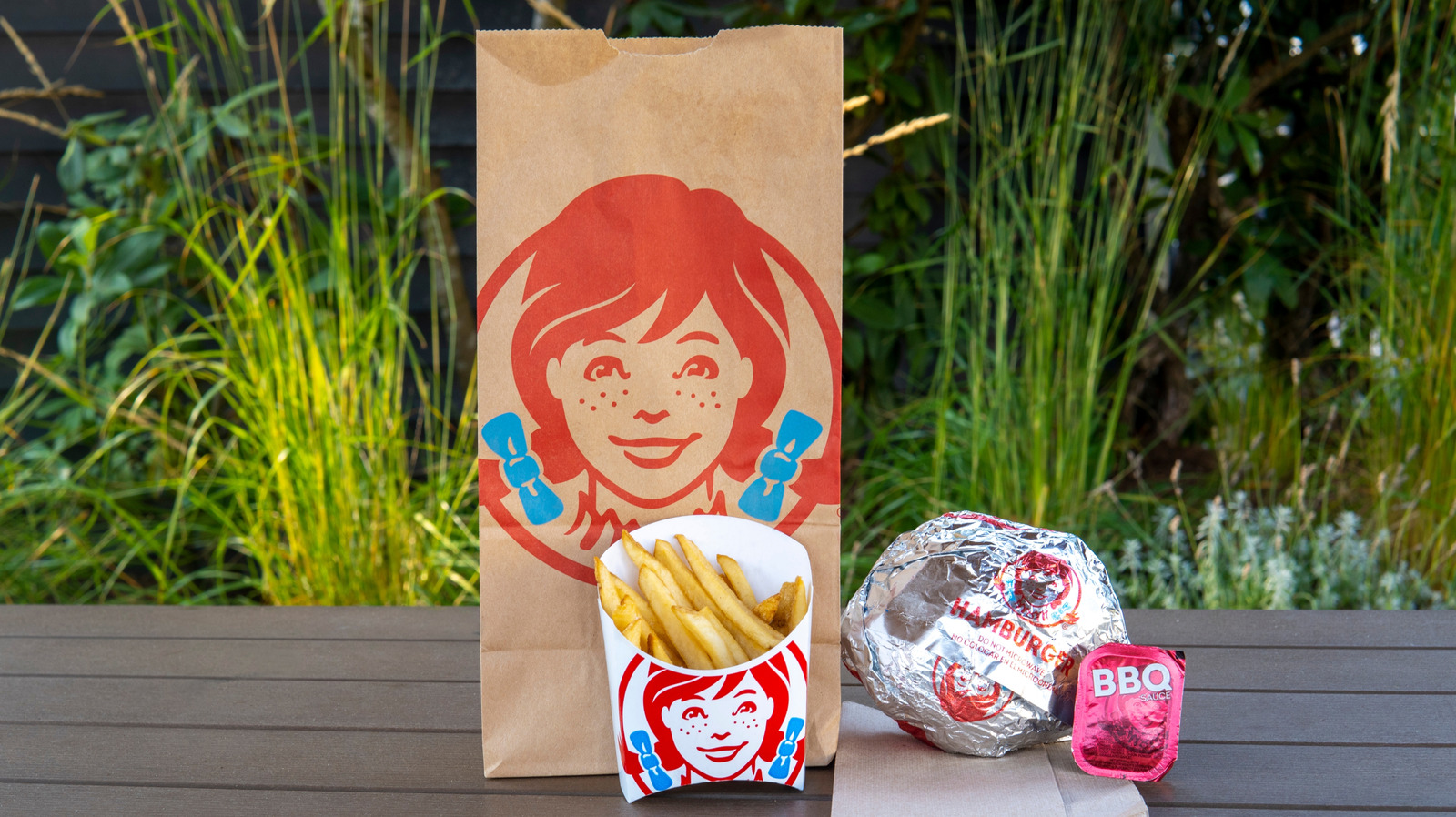
When we think about fast food concentration in America, we typically imagine massive chains spreading their reach across population centers like California, Texas, and New York. So it comes as a genuine surprise that Florida, as of November 2026, claims the crown with 464 Wendy's locations — more than any other state in the nation. This isn't merely a matter of Florida's size; the state accounts for roughly 8% of Wendy's total U.S. locations, while Texas trails with 419. What makes this even more striking is that Florida has achieved higher Wendy's density per capita than Texas, meaning residents are statistically more likely to encounter the chain's square-shaped burger patties during their daily routines.
The real story here isn't about fast food logistics or real estate strategy — it's about how American migration patterns fundamentally reshape our culinary landscape. According to USAFacts, more Ohioans moved to Florida than to any other state in 2024, continuing a migration trend dating back to the 1800s. Consider this connection: Wendy's was founded in Columbus, Ohio in 1969, and Ohio currently ranks third nationally in Wendy's locations while maintaining higher per-capita density than Florida. When transplants leave their home states, they don't simply abandon their food preferences; they carry those tastes with them, creating demand that attracts chains to follow.
The evidence of this cultural transmission is impossible to ignore. Miami and Orlando rank among the top five U.S. cities with the most Wendy's locations. More tellingly, Florida is the only state outside the Midwest where Skyline Chili — another Buckeye institution — operates. This isn't coincidence; it's a documented pattern of how regional food cultures migrate alongside people. Ohioans who moved south didn't just want warm weather; they wanted their baked potatoes, their chili, and their square burgers.
This phenomenon should prompt serious reflection about food culture in America. As populations shift and demographic patterns change, our restaurant landscapes transform in ways that reveal deeper truths about community identity and belonging. The fact that transplants recreate familiar food ecosystems in their new homes suggests that food serves as cultural anchor — something that makes a place feel like home.
Moving forward, restaurant chains and community leaders should recognize that migration-driven food preferences represent genuine market opportunities rooted in human connection. Rather than viewing Florida's Wendy's concentration as an anomaly, we should understand it as a natural consequence of how Americans maintain cultural identity through food. The question isn't why Florida has so many Wendy's — it's how many other regional food preferences are being quietly reshuffled across America by our constantly mobile population.