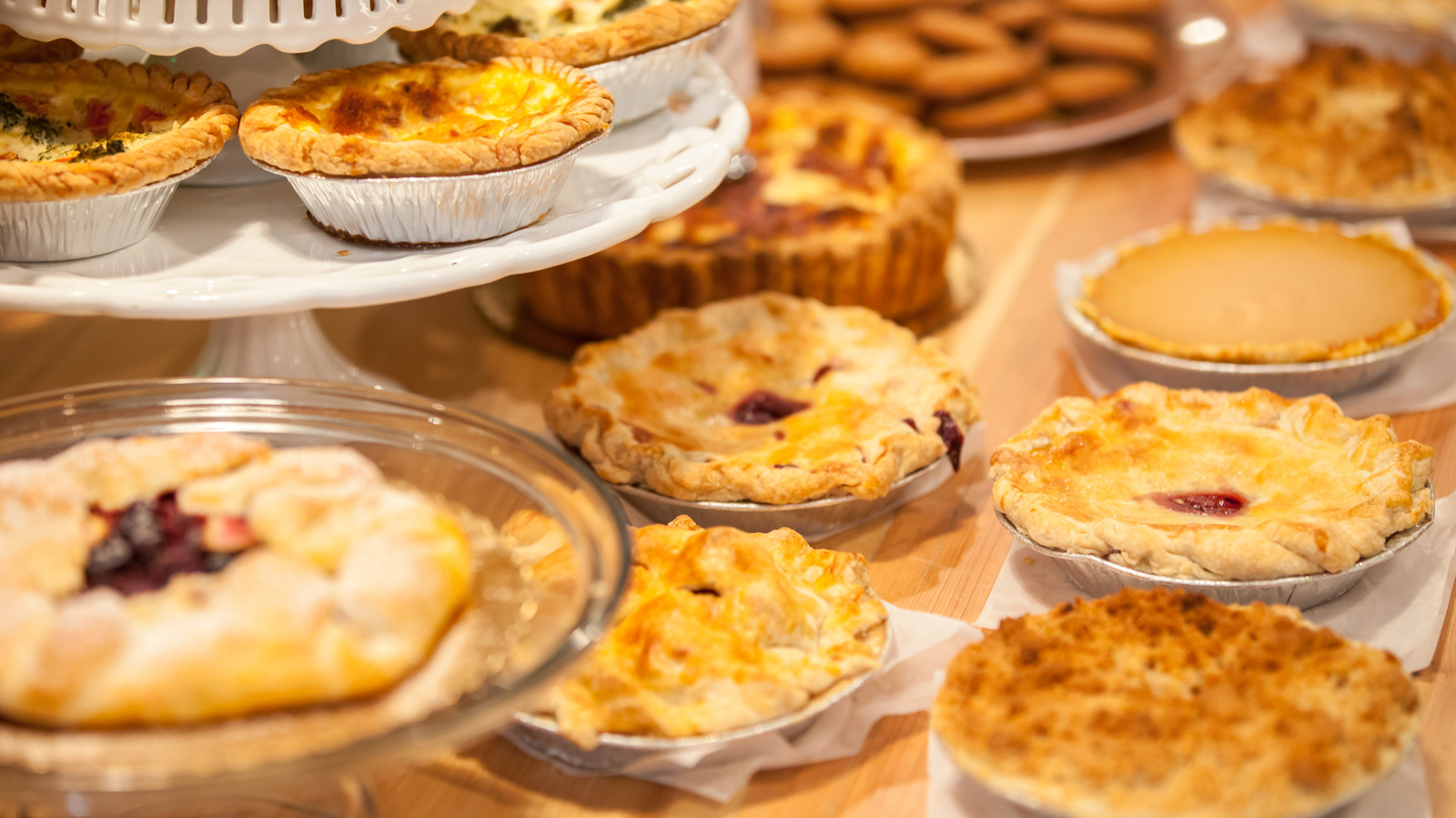
Onion pie, a savory dish dating to at least 1747, has faded from everyday eating into culinary obscurity. Hannah Glasse's "The Art of Cookery Made Plain and Easy" featured the earliest known recipe, combining onions with apples, potatoes, boiled eggs, nutmeg, mace, salt, cracked pepper, and butter. The dish appealed to the English working class as an affordable, filling meal.
After the 18th century, onion pie evolved. Cooks dropped the apples and potatoes in favor of white cheese and cream. Some whisked eggs for a quiche-like texture, others removed them entirely. The creamier version survives today, often called onion and cheese pie, but it no longer serves as a dietary staple. Without economic necessity driving consumption, it has become niche.
The dish persists in U.K. eateries. American variations include Vidalia onion pie from the South, made with onions grown in southeast Georgia's low-sulfur soil that produces sweeter, milder bulbs than standard yellow onions. Onion pies typically use sliced sweet onions because they lack the pungency of other varieties. Red onions could make the pie too sharp for most palates.