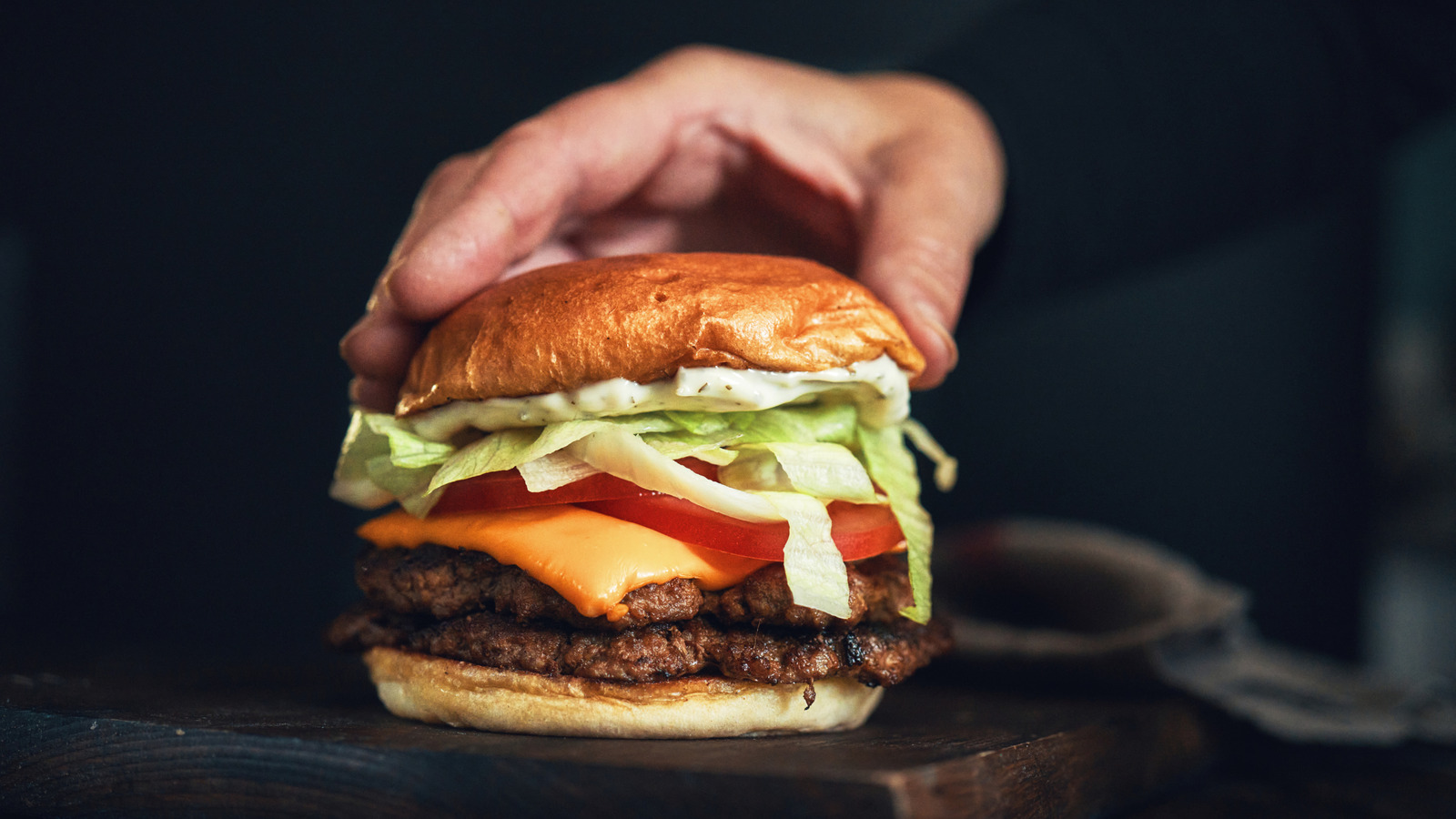
Duck fat transforms burger buns from an afterthought into a crispy, flavorful component. The rendered fat from duck skin and meat, which stays liquid when warm and semi-solid when cool, delivers a rich, savory taste prized in culinary circles for applications like roasting potatoes and making duck confit.
Duck fat's smoke point reaches around 375 degrees Fahrenheit, higher than butter's 350 degrees, so it handles high heat without burning. This allows buns to develop a beautiful crisp that contrasts with soft, juicy patties while preventing sogginess.
To use it, melt a small amount in a cast-iron skillet over medium heat. Place buns cut-side down and toast for a minute or two until golden brown, watching closely to avoid burning.
For deeper integration, bake homemade burger buns by swapping duck fat for butter or oil in the dough. Brush the tops with melted fat before baking for extra color and richness.
Frying burgers directly in duck fat creates a deep, flavorful sear and allows simple seasoning, since the fat carries much of the flavor work. Salt the exterior right before the patties hit the pan.
Duck fat can also mix directly into ground beef for richer flavor and moisture during cooking. Start with a lean blend around 90-to-10 to avoid an overly greasy result.