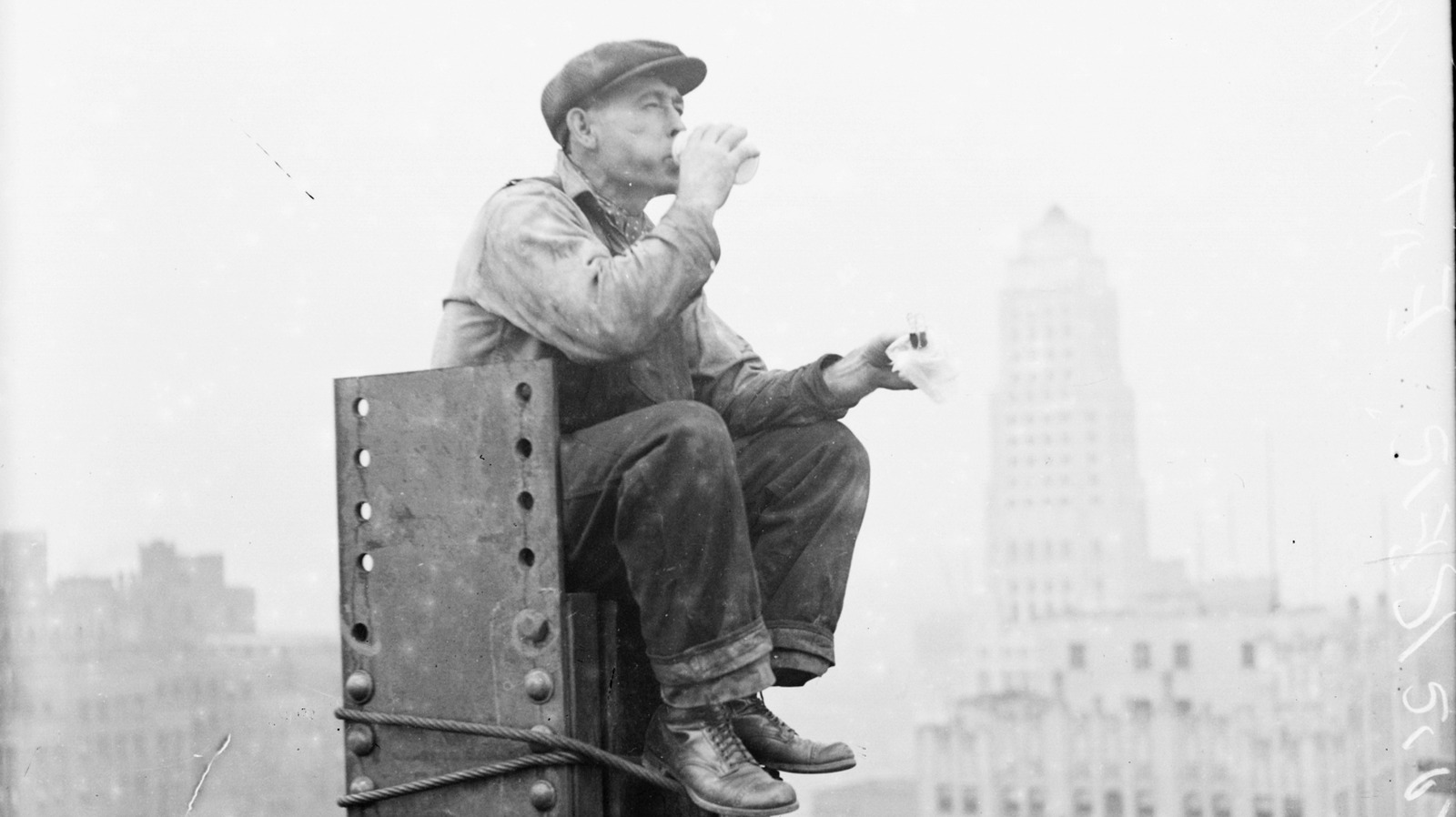
Eastern European immigrants brought nut and poppyseed rolls to America's industrial towns in the 19th and early 20th centuries. These yeasted pastries, filled with ground walnuts or poppy seeds and rolled into logs, became popular among steelworkers in Rust Belt states like Pennsylvania, Indiana, Minnesota, and Ohio.
The pastries spread beyond immigrant communities through shared meals between workers of different backgrounds and through church kitchens. Parishioners still bake them in large batches for holiday sales and fundraisers, sometimes using family recipes passed down for generations.
Different Eastern European countries claim their own versions. In Poland, makowiec combines poppy seeds, raisins, and nuts. Croatia has orahnjača, filled with walnuts, and makovnjača, filled with poppy seeds. Slovenia makes potica, often with walnuts. Hungary produces beigli, made with yeasted dough filled with ground walnuts or poppy seeds, rolled into a log and baked.
Modern bakers have experimented with new fillings like dried cranberries and chocolate, or mixed nuts. Some add sour cream to the dough for a softer crumb. Others make thinner pastries and increase the filling.