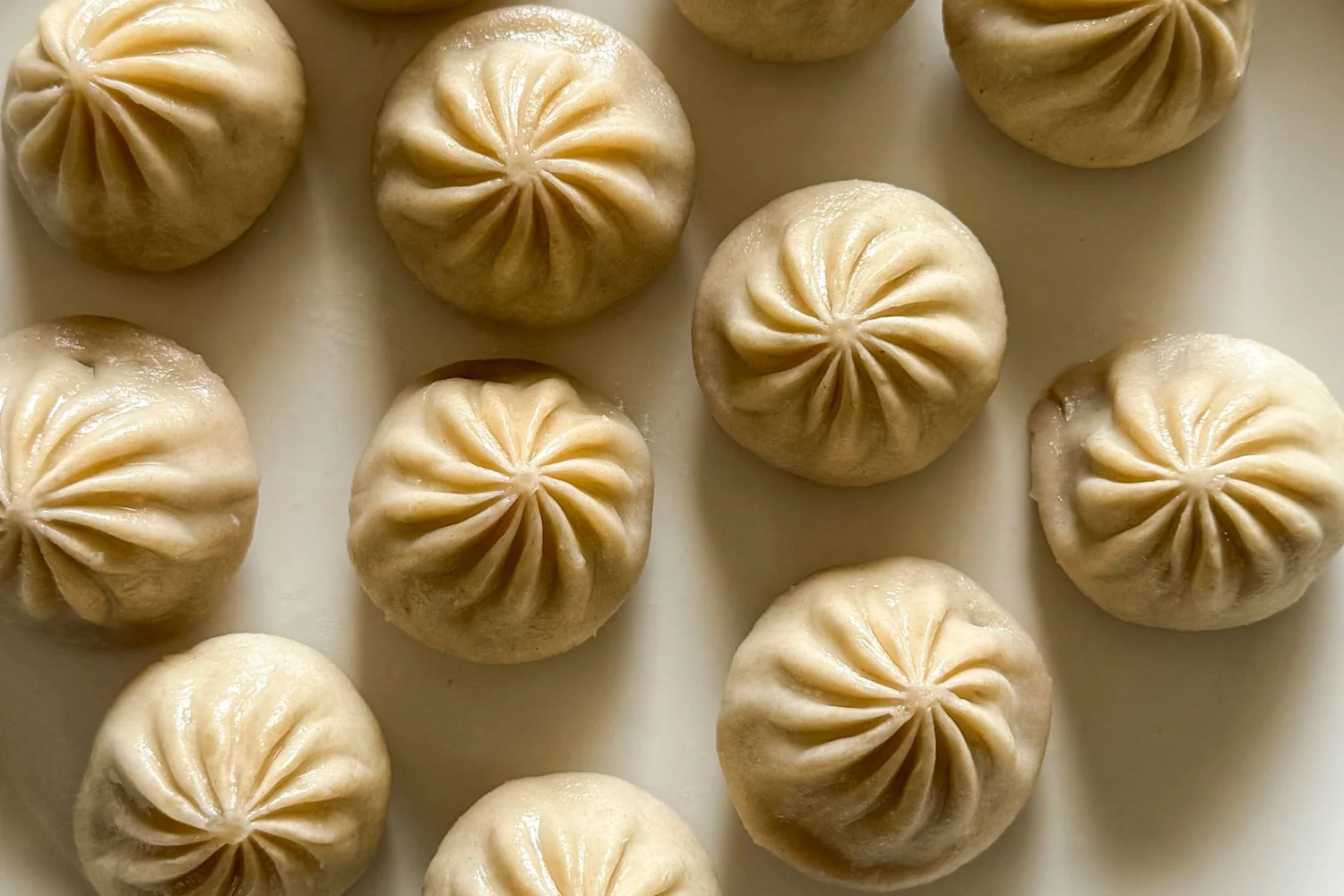
# Soup Dumplings Get Ranked: Why Pho Beats Pork at Mila
Soup dumplings have exploded into American food consciousness over the past decade, transforming from a regional Shanghai delicacy into a mainstream obsession. Much of that rise traces back to a single restaurant: Mila, the Bellevue, Washington establishment formerly known as Xiao Chi Jie, which popularized xiao long bao across the Pacific Northwest and beyond.
These pleated parcels of dough, filled with savory broth and meat, date back to 19th-century Shanghai. Yet their journey to American tables happened remarkably fast. What started as a niche offering in Asian neighborhoods became Instagram-famous, trendy, and perpetually sold out. Mila stands at the center of this food story, commanding lines of devoted customers who treat each dumpling release like a culinary event.
The restaurant's constant sellouts point to something deeper than novelty. Mila rotates flavors seasonally and periodically. This limited-release strategy keeps demand high and customer interest fresh. The model echoes drops in streetwear and sneaker culture, where scarcity drives obsession. Food writers and enthusiasts camp out for new variations, snap photos, and debate which tastes best.
A recent tasting tore through Mila's entire flavor lineup. The exercise revealed clear preferences among dumpling enthusiasts. Pho-flavored dumplings emerged as the standout winner, beating the traditional pork versions that built the restaurant's reputation. This result matters. It shows that American diners no longer crave simple authenticity. Instead, they hunger for innovation within tradition. The pho dumpling bridges Vietnamese and Chinese cuisines, merging two powerhouse Asian-American food cultures into one small parcel.
The classic pork soup dumpling remains excellent. But the pho version layers in star anise, cinnamon, and beef broth, delivering warm, aromatic complexity. It transcends the dumpling format by introducing spice notes typically found in bowl-based pho. Each bite carries the memory of the original Vietnamese dish while maintaining the textural thrill of the dumpling's thin wrapper and gushing broth center.
This preference shift reflects how American palates have matured. Twenty years ago, fusion cuisine meant removing authenticity for mass appeal. Today, it means respecting both source traditions while creating something genuinely new. Mila's pho dumpling doesn't dilute either cuisine. It honors them both.
The restaurant's success and waitlists also signal market demand for more dumpling innovation. Other chefs now experiment with truffle, seafood, and herbaceous fillings. Dumpling shops across Seattle, New York, and California watch what Mila does and follow. One restaurant's bold choice becomes the category's new normal within months.
Mila's rise from local spot to national phenomenon tracks the acceleration of American food culture. Regional dishes now achieve mainstream status in years, not generations. Social media amplifies this effect. A single viral post about sold-out dumplings reaches millions instantly. Restaurants respond by creating scarcity, which deepens desire.
The pho dumpling victory tells chefs something crucial: American diners want depth and surprise. They'll wait in long lines for something that challenges their expectations while staying true to a dish's soul. That balance defines the next generation of Asian-American cooking, and Mila keeps proving it works.