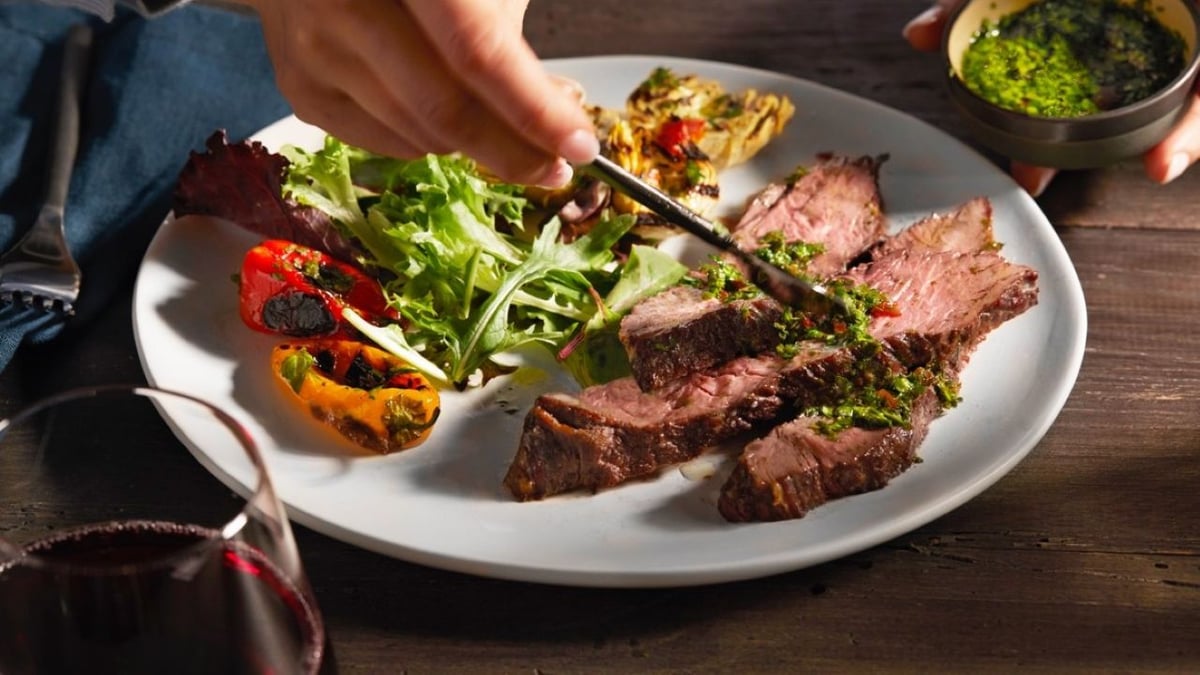
# Fogo de Chão Launches Protein Plates as Chain Doubles Down on Meat Value
Fogo de Chão, the Brazilian churrascaria chain operating roughly 60 locations across North America, is rolling out a new menu category called Protein Plates priced from $45. The offering reflects a deliberate strategy to compete in the value-conscious segment while leaning into what the chain does best: premium meat service.
The Protein Plates let diners select their primary protein then pair it with bottomless sides. This approach mirrors the chain's traditional rodizio service model, where churrascaria servers move tableside with skewered cuts, but streamlines the experience for lunch crowds and guests seeking a faster, more predictable price point.
The $45 entry price positions Fogo de Chão in direct competition with fast-casual steakhouse concepts and upscale quick-service operators. Brazilian churrascarias have grown increasingly popular in American markets over the past decade, with brands like Plataforma and Texas de Brazil establishing strong followings. Fogo de Chão's move reflects broader restaurant industry trends: consumers demand clarity on portion size and cost, and lunch dayparts represent untapped revenue during traditionally slower service windows.
Bottomless sides matter here. They signal abundance without requiring servers to monitor table pacing as closely as they do during full rodizio service. Guests receive fries, rice, beans, salad, and other accompaniments in steady rotation, creating satisfaction and perceived value. This menu structure also improves kitchen efficiency and labor optimization compared to the high-touch service model the chain built its reputation on.
The protein selection likely includes the chain's signature cuts. Fogo de Chão's menu traditionally features picanha (rump cap), lamb ribs, chicken wrapped in bacon, and premium beef cuts. By offering choice at the point of purchase rather than surprise-and-delight tableside service, the Protein Plates appeal to diners with specific preferences or dietary intentions.
The timing reflects post-pandemic restaurant economics. Labor costs remain elevated. Customizable, simplified menus reduce complexity in back-of-house operations while generating predictable revenue. Fast-casual and upscale casual segments have proven resilient even as fine dining struggles with traffic. Fogo de Chão operates in that hybrid space, and the Protein Plates represent a calculated expansion into more accessible dayparts.
For the Brazilian churrascaria category, this move carries strategic weight. Traditional rodizio service, while experiential and profitable per cover, intimidates some diners unfamiliar with the format. A simplified entry point potentially converts new customers into frequent visitors who eventually graduate to full-service experiences. It also captures office workers, younger diners, and lunch-focused segments who might skip dinner at a churrascaria but embrace a structured protein plate.
Menu innovation like this succeeds when chains identify unmet demand within their core customer base. Fogo de Chão recognizes that not every occasion calls for the full ceremonial experience. The Protein Plates democratize access to the brand's meat quality and service ethos at a lower price and commitment level. Whether this drives meaningful traffic growth depends on execution, marketing penetration, and whether guests perceive the value proposition as genuine or diluted compared to full-service alternatives.