# Bret Thorn Discovers Picanha at Fogo de Chão: Inside Brazil's Most Prized Beef Cut
Bret Thorn, a seasoned restaurant editor, recently visited Fogo de Chão, the Brazilian churrascaria chain, to explore picanha. The cut represents the heart of Brazil's grilling tradition and offers American diners a window into how a different beef culture operates.
Picanha is not ribeye. It is not New York strip. The cut comes from the top of the sirloin, a muscular cap of beef that sits above the hip. Brazilian butchers prize it above nearly all other cuts. In churrascarias across Brazil, picanha forms the foundation of the dining experience. Rodizio-style service means servers circulate with skewered meat, slicing portions tableside until guests signal they have eaten enough.
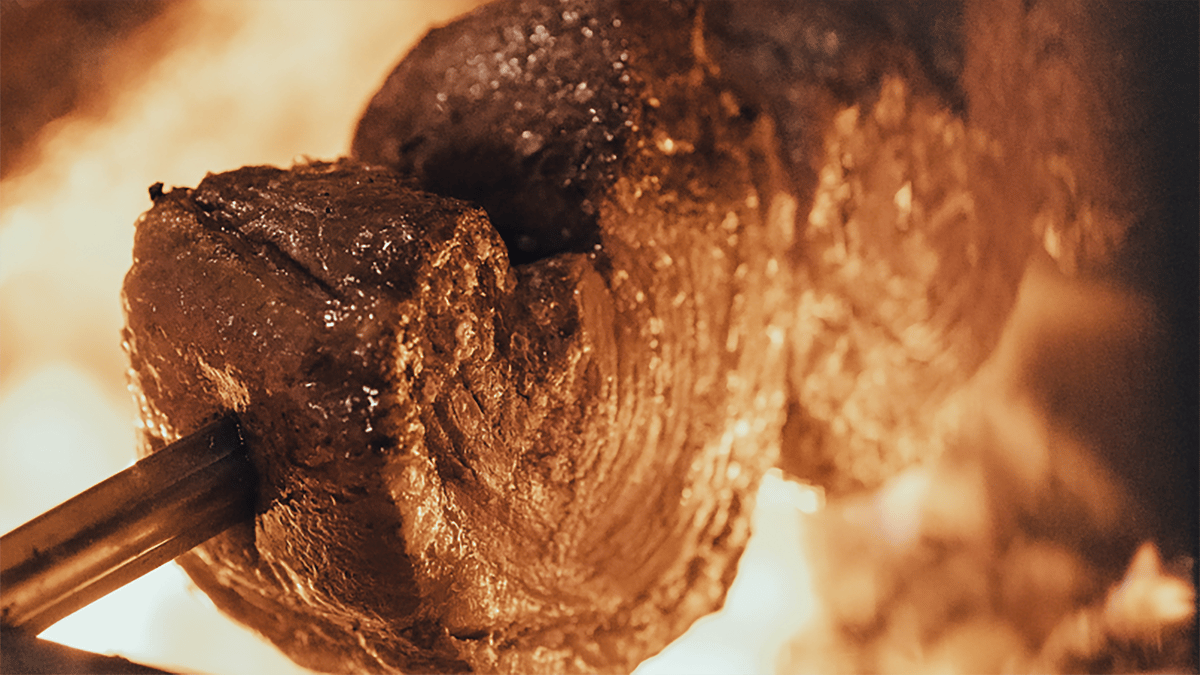
At Fogo de Chão, which operates over 60 locations across North America, the picanha arrives heavily salted and grilled over open flame. The exterior chars while the interior stays tender. The fat cap, left intact, bastes the meat as it cooks. This is not subtle grilling. It is aggressive, direct, and designed to maximize flavor through high heat and minimal intervention.
What makes picanha work differs fundamentally from American steak culture. Americans typically prefer tender, well-marbled cuts like prime ribeye or wagyu. Picanha requires a different skill set from both butcher and chef. The cut benefits from aggressive seasoning, high-temperature cooking, and proper slicing against the grain. Without these steps, picanha becomes tough and forgettable.
Thorn's visit to Fogo de Chão highlights a broader shift in American dining. Brazilian churrascarias have expanded significantly across the country over the past two decades. They offer a fixed-price, all-you-can-eat model that contrasts sharply with à la carte steakhouses. The format appeals to diners seeking value and variety. More importantly, it introduces Americans to beef cuts and cooking methods outside their traditional experience.
The churrascaria model also reflects different business economics. Instead of selling individual steaks at premium prices, these restaurants rely on volume and throughput. Servers work efficiently to keep meat flowing. Guests arrive with clear expectations about the experience. This approach has proven resilient through economic shifts and changing dining preferences.
For beef enthusiasts, picanha represents an education opportunity. American butchers increasingly stock the cut as demand grows. Home grilling enthusiasts now seek out picanha at farmers markets and specialty meat shops. Online retailers ship it nationwide. The cut's rise mirrors how global food cultures reshape American palates and purchasing habits.
Fogo de Chão operates as both a restaurant and a cultural ambassador. Each location serves as a training ground for how Americans can approach beef differently. The chain employs Brazilian chefs and train staff in traditional churrascaria techniques. This commitment to authenticity matters. A poorly executed picanha at an inauthentic restaurant teaches the wrong lesson.
Thorn's exploration of picanha at Fogo de Chão touches on something larger than a single cut of meat. It addresses how restaurants introduce diners to new cuisines, how immigrant-owned businesses reshape American food culture, and how beef itself means different things across different culinary traditions. Picanha's growing presence on American tables reflects the country's expanding appetite for global flavors and techniques.