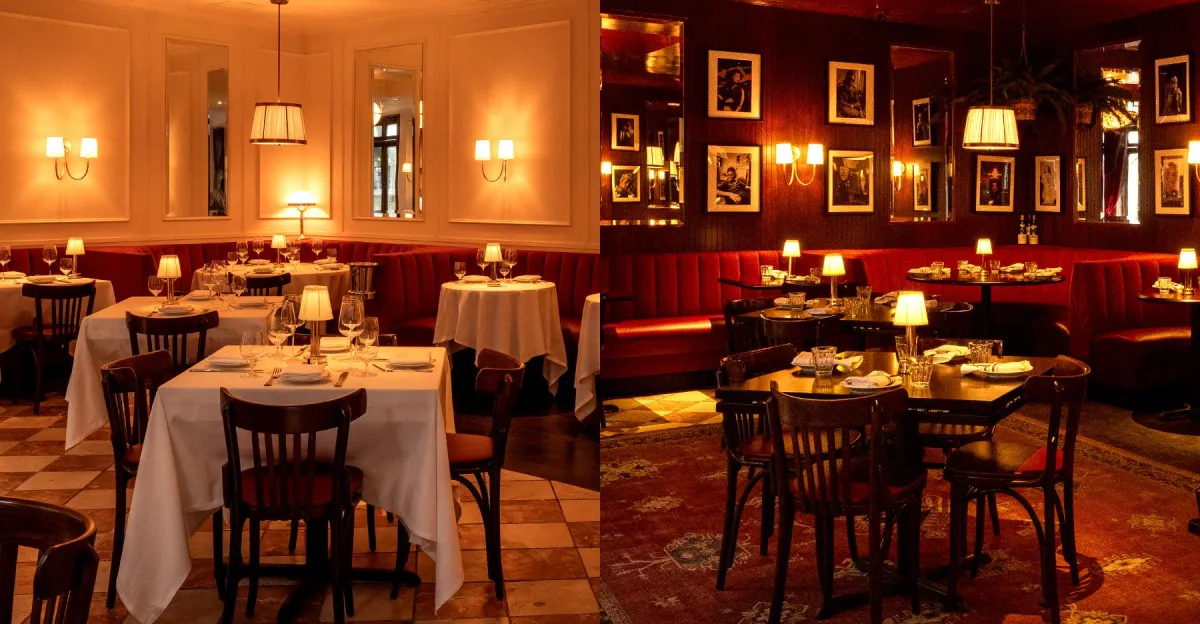
Chateau Royale's arrival in New York City last year marked a turning point in fine dining, reflecting what Grub Street's Matthew Schneier describes as the city's emerging "swankstaurant" moment. The restaurant emerged as steakhouse saturation gave way to what Schneier calls "a new age of gloss."
The establishment exemplifies luxury pricing at the haute end. A single-bite beggar's purse filled with caviar and crème fraîche commands $39. Lobster dishes reach $72.
This shift signals a broader recalibration in New York's fine dining landscape. Rather than relying on steakhouse conventions that once dominated the city's upscale restaurant scene, establishments like Chateau Royale embrace heightened presentation, refined technique, and premium ingredient positioning. The "swankstaurant" concept centers on visual spectacle and exclusivity, justifying elevated price points through both experience and scarcity.
The timing of Chateau Royale's opening reflects market conditions where diners with disposable income seek novel fine dining experiences beyond traditional categories. The shift away from steakhouse saturation creates space for restaurants that emphasize elegance, presentation, and ingredient quality over the familiar high-protein comfort model.
This trajectory aligns with broader dining trends where experiential and aesthetic elements command premium pricing. At Chateau Royale, even individual bites justify four-figure tabs when stacked across a full tasting experience. The caviar purse and lobster offerings serve as anchor items that signal the restaurant's positioning in the luxury market segment.
The emergence of this "new age of gloss" suggests New York's fine dining clientele continues rewarding innovation and visual storytelling. Restaurants responding to steakhouse fatigue with refined, presentation-focused menus appear positioned to capture market share among affluent diners seeking