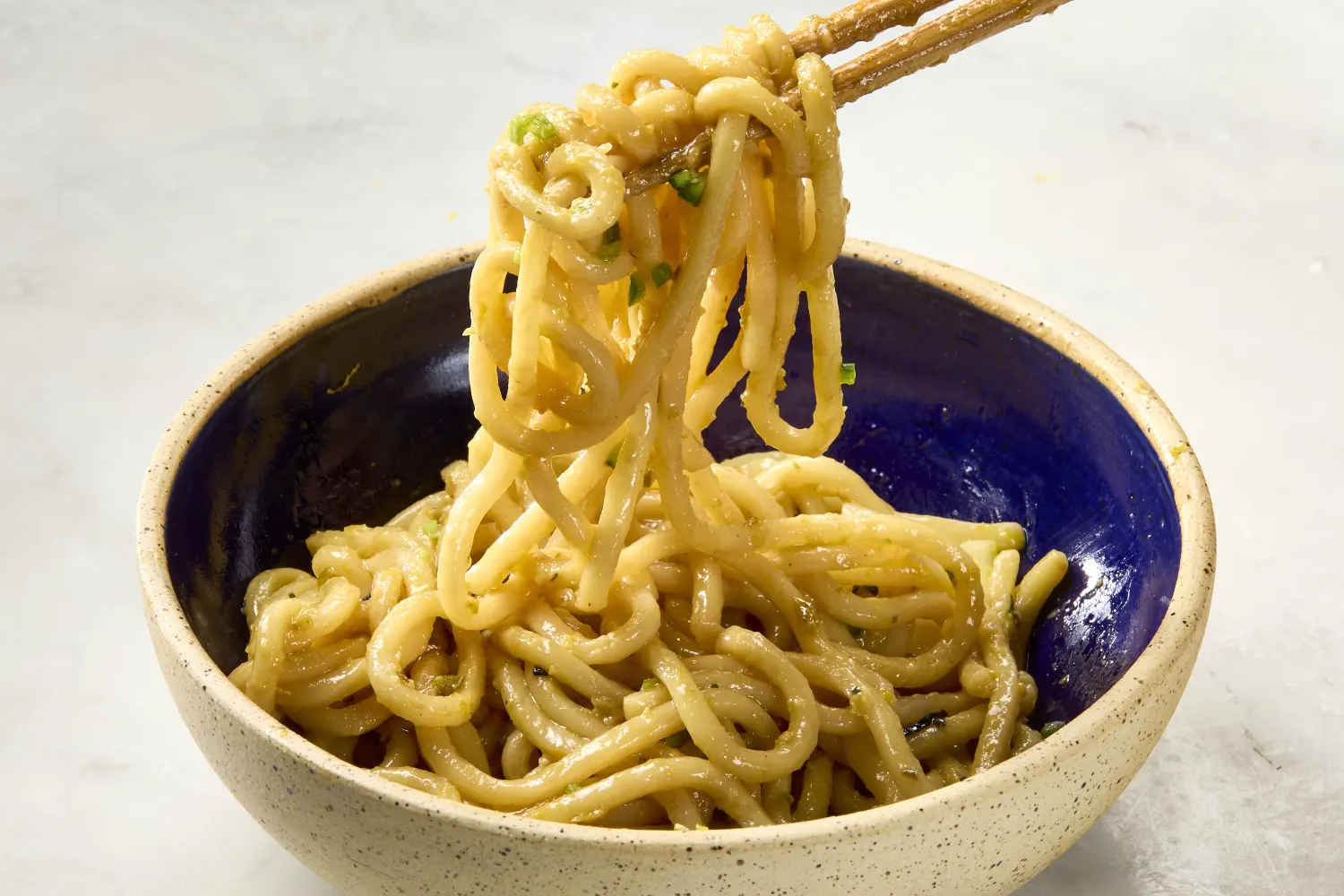
David Chang's Momofuku instant noodles have become a pantry staple for good reason. The Korean-American chef's foray into shelf-stable ramen delivers restaurant-quality flavor in a format that keeps for years without sacrificing taste or texture.
The Momofuku line, which launched through a partnership with Samyang Foods, represents a rare convergence of celebrity chef credibility and actual product reliability. Chang, who built his empire on precise technique and bold Asian flavors at flagship restaurants like Momofuku Ko in New York and Momofuku Seiobo in Sydney, applied that same rigor to instant noodles. The result stands apart from typical convenience ramen through proprietary seasoning blends and noodle formulations that avoid the waxy, MSG-heavy profile that plagues budget competitors.
The spicy soy variant earns particular devotion from home cooks. Unlike mass-market instant noodles that taste identical whether you cook them at midnight or noon, Momofuku's version layers gochujang heat with umami depth. The noodles themselves maintain structural integrity through extended cooking, resisting the mushiness that renders most instant options unpleasant beyond a certain point. This durability matters. A four-year shelf life means home cooks stock these without guilt, knowing they'll reach for them eventually.
The business logic here proves shrewd. Chang recognized that serious home cooks crave weeknight shortcuts that don't compromise flavor. Traditional ramen shops demand time, skill, and proximity. Instant noodles occupy the opposite extreme, usually sacrificing taste for speed. Momofuku noodles split the difference. A two-minute cook yields something genuinely delicious, transformable with fresh toppings like soft-boiled eggs, scallions, or quick-pickled vegetables.
The pantry staying power speaks to market demand that retailers have largely ignored. Food conglomerates control the instant noodle category, pushing products that prioritize shelf life and manufacturing efficiency over eating experience. Chang's entry signals that consumers will pay premium prices for authenticity, even in processed foods. A box of Momofuku costs roughly four times more than standard instant ramen, yet home cooks justify the expense through repeat purchases and pantry hoarding behavior.
This model extends beyond noodles. Chang has successfully commercialized his culinary philosophy into retail products including sauces, condiments, and frozen items under the broader Momofuku brand umbrella. Each product carries the implicit promise that a chef with Michelin recognition stands behind formulations. That credibility translates to consumer confidence in ways that celebrity chef products often fail to achieve.
The instant noodle category itself remains vastly underestimated by food media. Global consumption exceeds 100 billion servings annually, yet most coverage treats the category as utilitarian rather than gastronomic. Momofuku's existence challenges that framework. Instant noodles need not taste like regret. They can deliver genuine pleasure.
Home cooks who maintain Momofuku inventory for four years clearly treat these as more than emergency food. They represent a new middle ground in the pantry hierarchy. Not as precious as imported fresh pasta from a specialty shop. Not as disposable as conventional instant ramen. Something closer to a strategic reserve of flavor, ready whenever weeknight reality demands shortcuts without sacrifice.