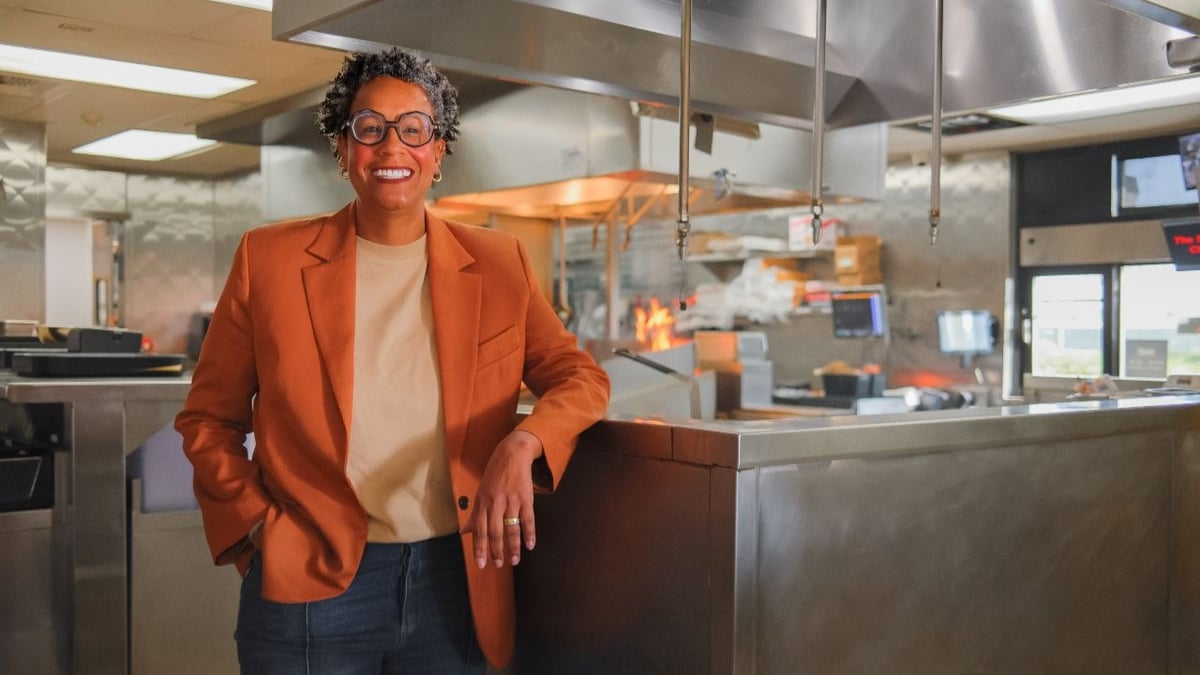
Habit Burger & Grill has appointed Shauna McKenzie-Lee as chief operating officer, signaling a strategic shift toward prioritizing human connection as the chain scales its footprint. McKenzie-Lee brings operational expertise from Starbucks, where she built systems centered on customer experience rather than transactional efficiency alone.
The fast-casual burger chain, known for chargrilled burgers and fresh ingredients, operates over 350 locations primarily across the West Coast and has pursued steady expansion into new markets. McKenzie-Lee's mandate focuses on embedding guest-centric operations into every layer of the business, from kitchen workflows to staffing protocols to technology implementation.
This hiring move reflects broader industry recognition that fast-casual chains cannot compete on speed alone. QSR (quick-service restaurant) operators have watched competitors blur lines between fast-food convenience and fine-dining hospitality. Habit Burger positions itself in that middle ground. The chain emphasizes flame-grilled patties made fresh daily, hand-cut fries, and charburgers prepared to order rather than assembled from heat lamps.
McKenzie-Lee's Starbucks background matters here. Howard Schultz built Starbucks around "the third place" concept, designing cafes as social spaces beyond home and work. That philosophy translated into intensive staff training, consistent service standards, and store environments designed for lingering. McKenzie-Lee likely brings similar playbook thinking to Habit Burger, where she can apply customer intimacy principles to burger preparation and dining rooms.
Fast-casual burger chains face mounting pressure from multiple directions. Traditional QSR operators like McDonald's and Burger King have upgraded their menus and technology. Regional chains including Shake Shack and The Habit's more premium competitors have locked in real estate and brand loyalty. Meanwhile, ghost kitchens and delivery services have fragmented consumer dining patterns. McKenzie-Lee's focus on human connection addresses this landscape by doubling down on what Habit Burger cannot replicate through kiosks or apps alone: memorable interactions with staff, quality food prepared visibly, and communal dining spaces.
The operational systems Starbucks perfected serve as a model. Starbucks trained baristas across thousands of stores to execute drink customization consistently while maintaining personable service. Scaling that consistency while preserving guest-facing humanity requires obsessive attention to staffing, training, incentive structures, and manager development. Habit Burger faces similar challenges: it must grow without diluting the quality perceptions that differentiate it from mass-market burger chains.
McKenzie-Lee's appointment also suggests Habit Burger may invest in technology selectively rather than aggressively. Starbucks mobile ordering and loyalty apps serve customer convenience without replacing counter conversation. Habit Burger likely follows this model, using digital tools to enhance rather than eliminate human interaction.
The chain's expansion strategy will test whether McKenzie-Lee's operational philosophy gains traction in markets where consumer preferences are fragmented. Burger-focused QSR success increasingly hinges on community presence and staff consistency rather than menu novelty alone. If Habit Burger executes this human-centered approach across new locations, the chain positions itself as a defensible alternative to both mass-market competitors and upscale regional burger concepts. McKenzie-Lee's leadership will determine whether that positioning translates into sustainable growth.