# Spam Finds New Life as Costco Staple, Proving Depression-Era Protein Still Resonates
Spam, the canned meat product that emerged during the Great Depression, has become an unexpected modern grocery staple. The shelf-stable pork shoulder and ham mixture, introduced by Hormel Foods in 1937, now commands shelf space in bulk retailers like Costco, where shoppers deliberately stock up on multiple cans with enthusiasm typically reserved for trendy wellness products.
The resurgence reflects a broader retail shift. Costco members purchasing Spam suggest consumer priorities have fundamentally changed since the pandemic. Shoppers value shelf stability, protein density, and foods that require minimal refrigeration. Spam delivers all three. A single 12-ounce can contains 13 grams of protein, no refrigeration requirements until opened, and costs roughly $2 per unit.
Hormel's nearly nine-decade-old formula remains largely unchanged. The ingredient list reads like an artifact: pork with ham, salt, water, sugar, and sodium nitrite. This simplicity, once viewed as industrial compromise, now appeals to consumers skeptical of ultra-processed foods with unpronounceable additives. Spam contains fewer ingredients than many modern chicken nuggets or breakfast sausages.
The product's cultural footprint extends far beyond American nostalgia. Spam holds iconic status in Hawaiian cuisine, where it appears in musubi, fried rice, and local plate lunches. South Korea consumes more Spam per capita than any other nation outside the United States. Japan treats it as a premium gift item. These international markets have sustained Hormel's sales when American appetites wavered.
Costco's wholesale model amplifies Spam's appeal. Bulk purchasing attracts preppers, camping enthusiasts, and households practicing food security strategies that became mainstream during supply chain disruptions. A single Costco trip yields six or twelve cans simultaneously. The warehouse format legitimizes Spam as serious provisioning rather than budget-conscious desperation.
Recent food trends support this trajectory. Charcuterie boards now feature canned goods as intentional style choices. Vintage cookbooks from the 1940s and 1950s enjoy renewed interest among home cooks exploring historical recipes. Celebrity chefs have begun treating canned ingredients as legitimate culinary components rather than shortcuts. This cultural reframing removes shame from reaching for processed proteins.
Hormel has responded to shifting perceptions with product innovation. Limited-edition flavors like jalapeño, black pepper, and garlic extend beyond the original. These variations attract adventurous eaters while maintaining the core product's utility. Younger consumers increasingly view Spam not as defeat but as pragmatism.
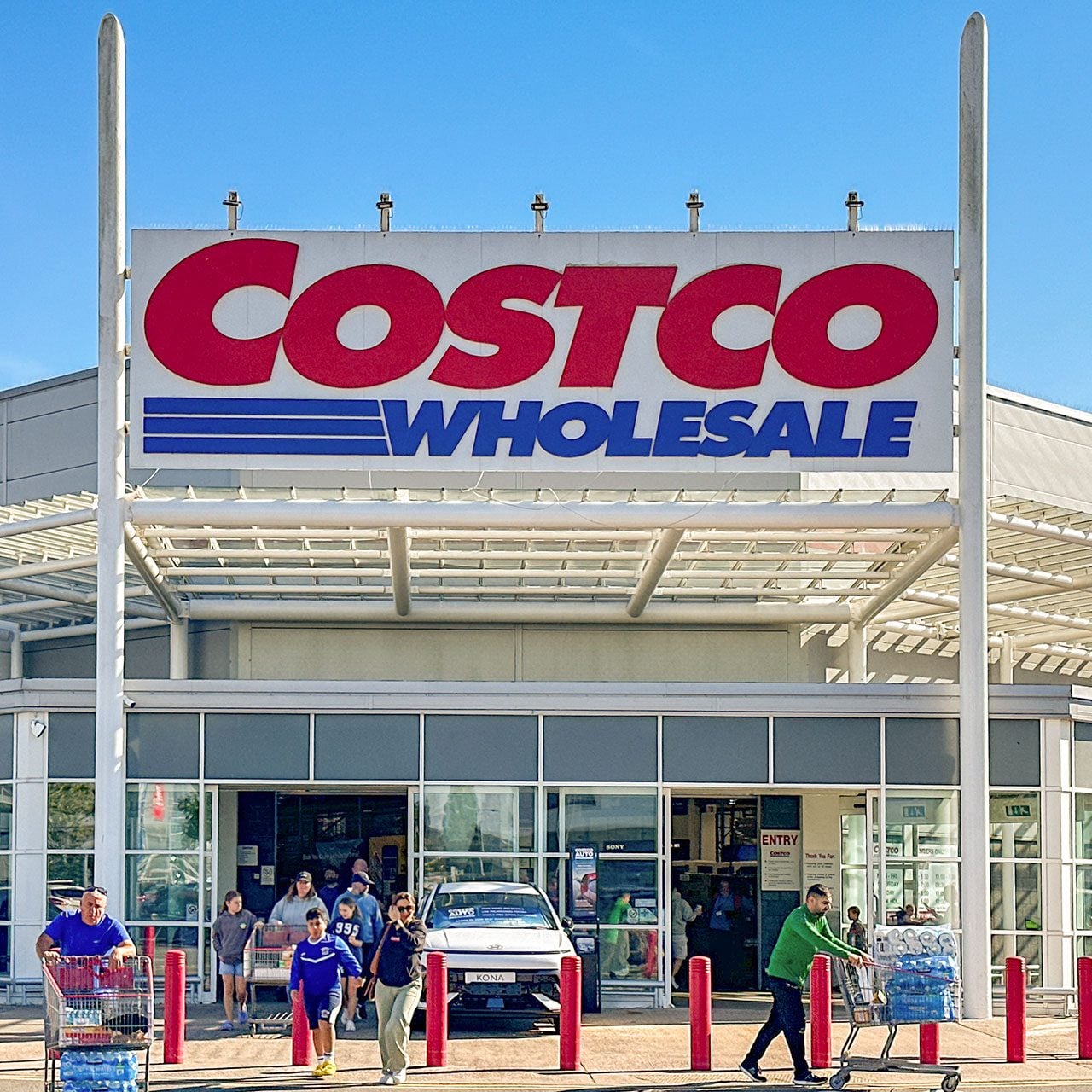
The Costco phenomenon specifically matters because warehouse clubs drive purchasing behavior. When Costco stocks an item prominently, shoppers perceive it as both approved and economical. A $2 Spam can purchased alongside fresh produce and organic dairy products occupies the same cart, in the same store, with the same philosophical permission. Spam becomes part of balanced household provisioning rather than its own category.
This positioning reflects genuine shifts in how Americans approach food security and efficiency. Spam represents protein preservation, minimal waste, and immediate accessibility. These qualities transcended the Depression through World War II, faded during decades of perceived abundance, and resurged as uncertainty returned. Costco shoppers stocking multiple cans acknowledge that shelf-stability and self-sufficiency have returned as values worth planning around.