# Indian Street Food Meets American Sandwich: Why Chicken Keema Pav Is Breaking Into Home Kitchens
Chicken keema pav represents a quietly powerful moment in how home cooks approach fusion cooking. This Indian-inspired sandwich strips away pretense and delivers something that tastes like it belongs on both a Mumbai street corner and an American dinner table.
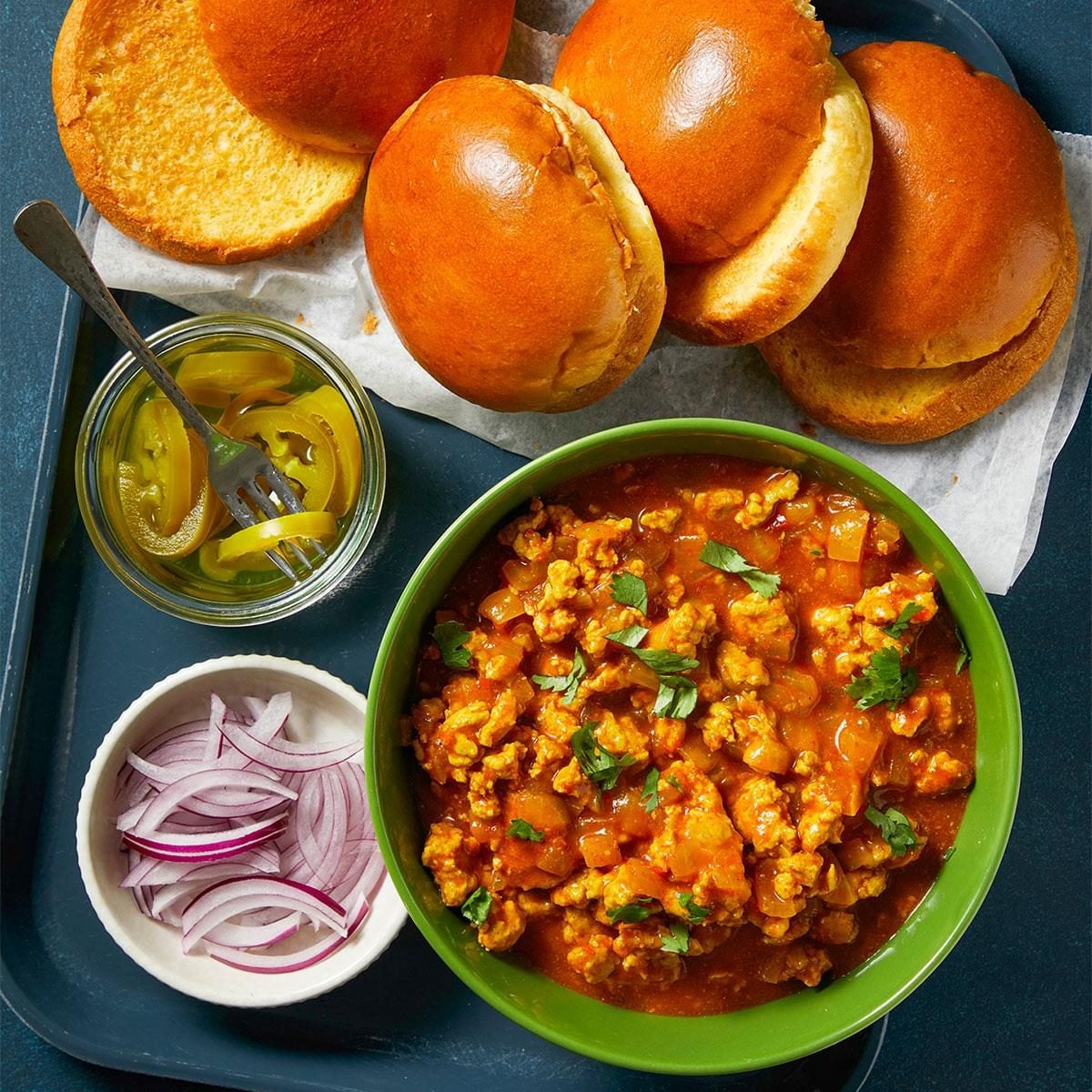
The dish starts simple. Ground chicken gets cooked down with fragrant onions, then layered with spices that build in stages rather than all at once. The aromatics matter here. Onions caramelize first, creating a sweet base that anchors the meat. Spices follow. Ginger, garlic, green chilies, and warm spices like cumin and coriander create the distinctive keema profile. The texture stays crumbly and moist, never dense or paste-like.
The pav component transforms everything. Pav are pillowy, buttered buns originally from Goa, with Portuguese roots that traveled through India's colonial history. They're soft enough to absorb the keema's juices but structurally sound enough to contain a generous filling without falling apart. These aren't burger buns. They're closer to Hawaiian rolls in texture but enriched with butter and sometimes egg. Home bakers make their own or source them from Indian grocery shops, though standard brioche buns work as a functional stand-in.
What makes keema pav work as a crossover dish is that it satisfies the structural appetite of an American sloppy joe while delivering the spice complexity people crave from Indian street food. A traditional sloppy joe relies on sweet and tangy condiments. Chicken keema pav achieves similar moisture and flavor through the cooking process itself. The meat absorbs the spice-forward cooking liquid, making it taste deeper and more developed than ground beef in tomato sauce.
The sandwich fits into a larger pattern of Indian food becoming less exotic and more practical in American home cooking. Keema itself has deep roots in India and Pakistan, where ground meat serves as an economical protein that stretches across regions and cuisines. The keema pav combination specifically gained traction in western India, where it became street food. Now recipe developers and home cooks recognize it as an accessible entry point to Indian cooking technique without requiring specialized equipment or rare ingredients.
Ground chicken offers advantages over traditional keema made with lamb or goat. It cooks faster, costs less, and appeals to home cooks wary of stronger-flavored meats. The cooking method requires nothing beyond a large skillet and basic spice knowledge. Most pantries already stock cumin, coriander, ginger, and garlic. A trip to an Indian market nets whole or toasted spices that transform the dish completely, but substitutes work.
The pav situation remains the only real point of negotiation. Store-bought Indian pav from specialty shops deliver authentic texture. Making them from scratch requires familiarity with enriched dough. Brioche works but shifts the flavor profile slightly toward sweetness. Some cooks toast regular buns with butter instead, which approximates the experience.
Chicken keema pav offers home cooks permission to think beyond traditional fusion categories. It doesn't require apologizing for not being "authentic" because authenticity shifts based on geography and ingredient availability. Street food cultures embrace substitution and adaptation by nature. The same principle that allowed pav to travel from Portuguese traders to Goan street carts to American home kitchens applies here. The sandwich asks only that you respect the cooking technique and flavor balance, then cook it in whatever setting you inhabit.