# The Crash Hot Potato Craze That's Rewriting the Crispy Potato Rulebook
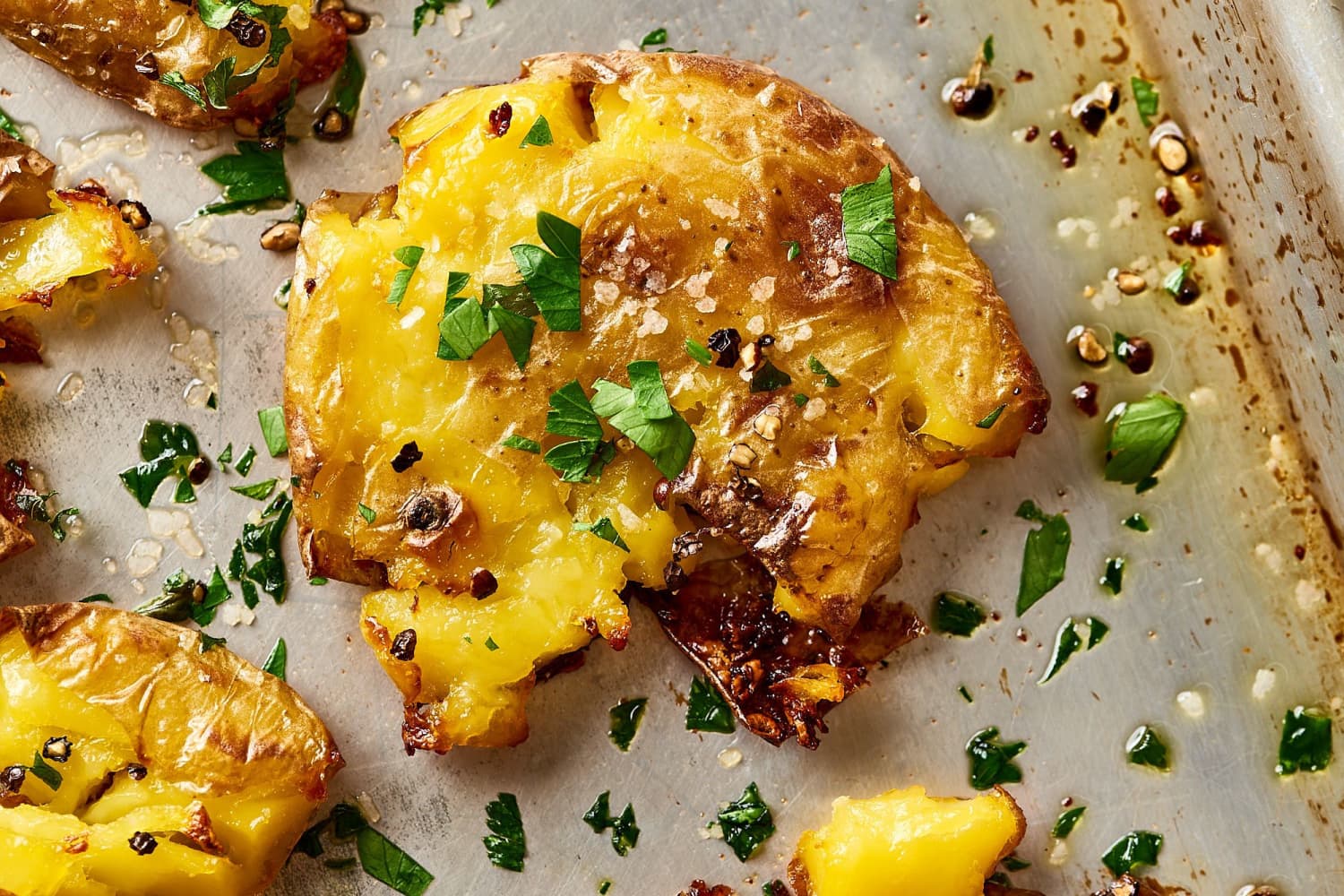
The crash hot potato is having a moment. This Australian-born technique produces potatoes with shattered, golden exteriors and creamy, fluffy interiors, all through a counterintuitive method that involves boiling, crashing, and roasting.
Home cooks and food enthusiasts are abandoning traditional methods for this approach. The process starts with boiling small potatoes until just tender. The crucial step comes next: draining them completely and returning them to the hot pot to let steam evaporate the surface moisture. Then comes the crash. Cooks flatten each potato with the back of a fork or a spoon, creating maximum surface area for contact with oil. A generous coating of olive oil, salt, and pepper follows. The final roast at high heat transforms those flattened surfaces into impossibly crisp, bubbled exteriors while the interior remains tender and fluffy.
The genius lies in science. Boiling hydrates the potato and gelatinizes starches. The steam phase removes excess surface moisture that would otherwise steam during roasting and prevent browning. When oil meets this dry, starchy surface at high heat, the Maillard reaction accelerates, creating complex flavors and shattering texture. The crashed shape means more exposed potato surface, amplifying that contrast between crispy exterior and fluffy center.
This method differs fundamentally from traditional roasted potatoes, which often emerge soggy or unevenly cooked. It also beats the deep-fried approach by using minimal oil while achieving superior crispness. Home cooks report crispiness lasting hours after cooking, even at room temperature.
The appeal extends beyond texture. Crash hot potatoes accept seasonings beautifully. Cooks load them with fresh herbs, smoked paprika, garlic powder, or even za'atar. Some drizzle truffle oil or finish with fleur de sel. The technique works with almost any small potato variety, though waxy potatoes hold their shape better than floury types.
Food publications including The Kitchn have featured crash hot potatoes prominently, and the recipe trends consistently across social platforms. The technique satisfies a growing demand for restaurant-quality results at home without specialized equipment or advanced cooking knowledge.
The method also fits modern cooking preferences. It requires minimal added fat compared to traditional frying. Potatoes retain more nutrients than deep-fried versions. The technique works at any scale, from a weeknight side for two to feeding a crowd at a dinner party.
Professional chefs have embraced crash hot potatoes for both casual and fine dining settings. Their reliability and dramatic presentation appeal to restaurant kitchens seeking foolproof components that impress. The technique has appeared on menus at gastropubs and elevated restaurants seeking humble yet sophisticated sides.
Home cooks now treat the crash hot potato as a staple technique alongside mashed and baked preparations. The learning curve is nearly nonexistent. Success comes from following the boil-steam-crash-roast sequence, using adequate oil, and roasting at sufficient temperature. Even first-time attempts typically produce impressive results.
The crash hot potato represents a larger shift toward techniques that maximize flavor and texture through method rather than ingredient complexity. It demonstrates how understanding the science behind cooking transforms everyday ingredients into restaurant-caliber dishes. For anyone seeking foolproof crispy potatoes that deliver both texture and taste, the crash hot method has earned its passionate following.