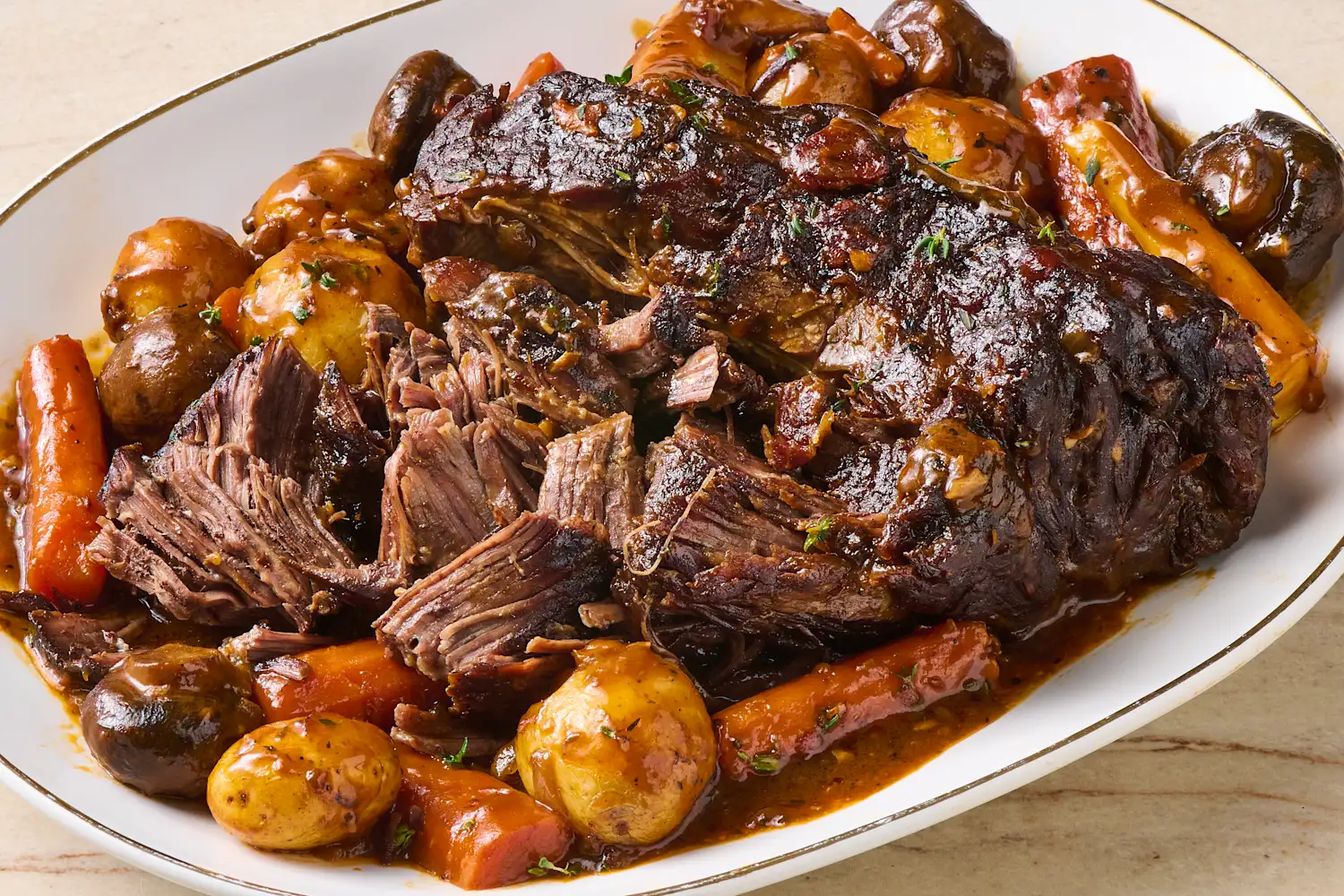
Sohla El-Waylly, the James Beard award-winning chef and New York Times bestselling cookbook author, has revealed her approach to building maximum flavor into pot roast, a dish often reduced to its most utilitarian form on weeknight tables.
El-Waylly's philosophy centers on treating every meal as an improvisation challenge. She eschews repeating the same dishes, instead drawing inspiration from whatever ingredients sit in her refrigerator or pantry. "Every meal feels like a Chopped mystery basket challenge. I figure it out on the fly," she explains. This mindset transforms pot roast from a set-it-and-forget-it braise into an opportunity for intentional flavor development.
The specifics of her pot roast method remain rooted in fundamentals, though El-Waylly's execution demands precision at each stage. Traditional pot roast relies on the Maillard reaction, that complex browning that occurs when meat reaches high heat. She likely prioritizes searing the chuck roast until it develops a deep caramelized crust before liquid enters the pot. This step concentrates beef flavor rather than steaming the meat in broth from the start, a common mistake that yields pale, underseasoned results.
Beyond the initial sear, El-Waylly's award-winning sensibility probably extends to her vegetable selection and aromatics. While carrots, celery, and onions form the traditional mirepoix base, she may layer additional depth through tomato paste, which adds umami, or acid from wine or vinegar that brightens the final braise. Fresh herbs added late in cooking preserve their volatile oils and prevent the flattened, one-note flavor that comes from hours of simmering.
Temperature control matters here too. A pot roast braised at a rolling boil breaks down collagen faster but can yield stringy, overcooked meat. The gentler approach, a gentle simmer around 180-190 degrees Fahrenheit in a covered Dutch oven, develops tender meat while allowing the cooking liquid to concentrate into silky sauce.
El-Waylly's creative impulse likely pushes beyond standard recipes. She might finish the pot roast with unexpected ingredients, a nod to her willingness to improvise. Pomegranate molasses, miso paste, fish sauce, or even a spoonful of coffee could intensify savory notes without announcing themselves on the final plate. This approach reflects the sophisticated layering that distinguishes James Beard-recognized cooking from ordinary home cooking.
Her emphasis on spontaneity also hints at not overcomplicating the fundamentals. Pot roast succeeds when the cook respects the ingredient's natural flavors rather than burying meat under heavy spice blends or excessive sodium. Quality beef, patience during searing, aromatic vegetables at their peak ripeness, and proper seasoning throughout the process create the conditions for excellence.
For home cooks seeking to upgrade their own pot roasts, El-Waylly's method suggests starting with the highest quality beef chuck available, never skipping the sear, and tasting throughout the braise to adjust seasoning. Treating the dish with the same attention a chef brings to composed plates transforms it from weeknight routine into something genuinely flavorful.