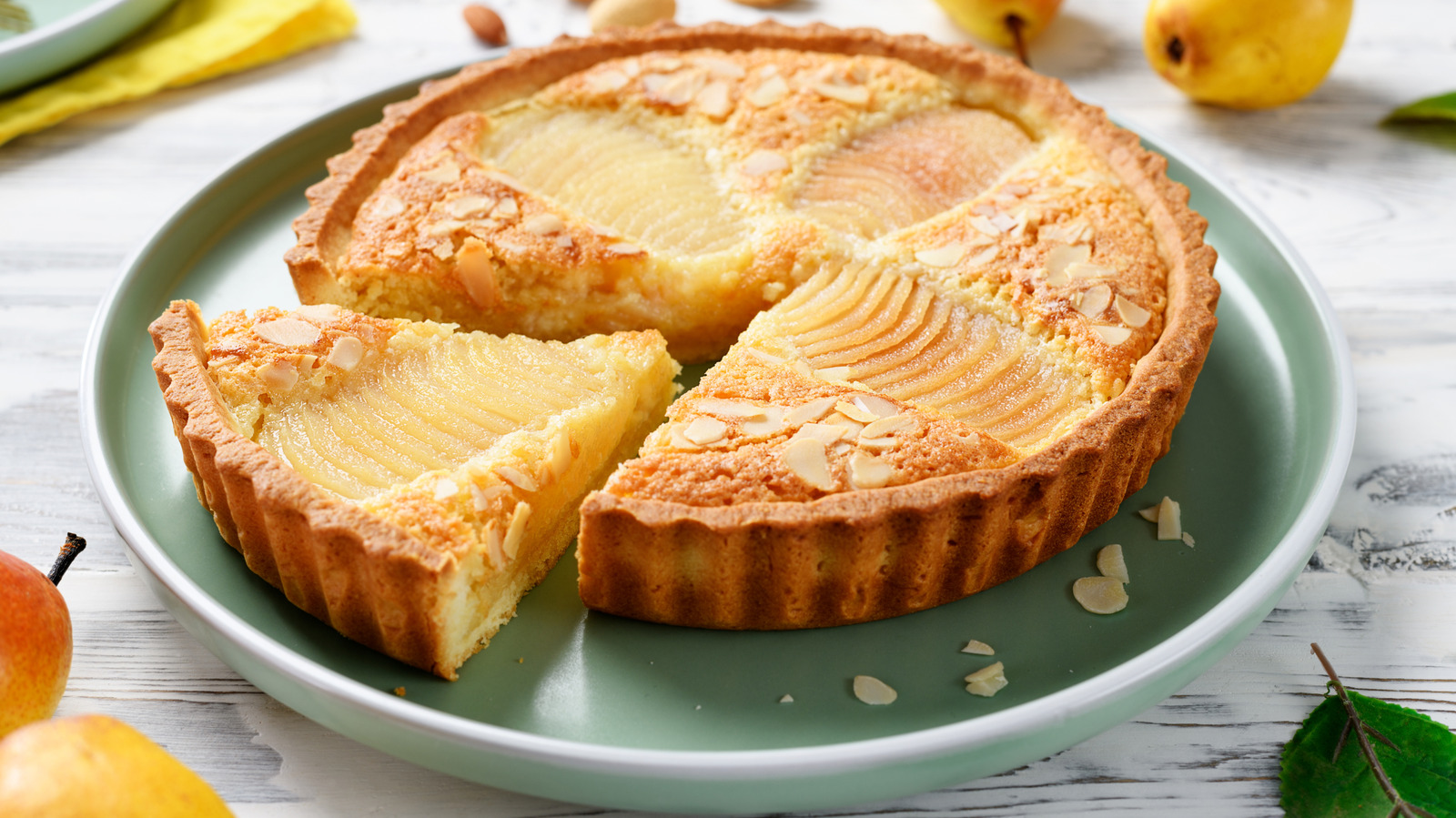
# The Best Pear Variety For Homemade Pie (And How To Cut Them)
When it comes to baking with pears, not all varieties perform equally in the oven. The choice matters. A pear's texture, juice content, and firmness determine whether your pie emerges with structural integrity or collapses into soggy disappointment.
The Bosc pear stands out as the superior choice for pie baking. These pears possess a firm, dense flesh that holds its shape during long baking times. Unlike softer varieties such as Bartlett or Anjou pears, which break down and turn mushy when exposed to heat, Bosc pears maintain their integrity through the baking process. Their lower water content means less weeping into the filling, resulting in a pie with actual texture rather than pear compote masquerading as filling.
Bosc pears also deliver flavor advantages. They carry a spicy, complex sweetness that intensifies slightly when baked, adding depth to your filling. This makes them ideal for both traditional preparations and more adventurous flavor combinations. Pair them with cardamom, star anise, or a touch of ginger, and the pear's natural notes expand rather than fade.
The preparation method matters as much as the variety selection. Properly cutting pears for pie requires attention to prevent browning and ensure even cooking. Start with ripe but firm Bosc pears. Halve them lengthwise and remove the core using a melon baller or small spoon. This prevents the tough center from remaining in your finished pie. Peel the skin using a vegetable peeler, working quickly to minimize oxidation. Cut the peeled halves into uniform slices, roughly one-quarter inch thick. Consistency in sizing ensures even cooking throughout the pie.
Toss the sliced pears immediately with lemon juice to prevent browning. The acid also brightens the filling's flavor profile. Add your chosen spices and sugar at this stage, allowing the pears to macerate for 15 to 20 minutes. This process draws out excess moisture, which you can drain before assembling the pie. This step prevents a soggy bottom crust.
Temperature control during baking proves essential. Preheat your oven to 375 degrees Fahrenheit. The higher heat creates a golden crust while the pears cook through without turning to mush. Most pear pies reach doneness in 45 to 55 minutes. The filling should bubble slightly at the edges when ready.
Consider your pears' ripeness before purchasing. Bosc pears for pie work best when firm with just slight give when pressed. Overripe fruit will soften excessively during baking. Underripe pears won't have developed the sweetness needed for a compelling filling. Plan your baking day accordingly, selecting pears that will reach ideal ripeness on your baking date.
The Bosc pear's reliability, flavor profile, and structural integrity make it the definitive choice for home bakers. Once you commit to this variety and master the cutting technique, your pear pies will achieve the balance of soft, flavored filling and stable, sliceable texture that separates exceptional pies from forgettable ones.